We all have experienced that distinct smell of an overheated, burnt insulation that gave up when you switched on your AC or ran one too many appliances in your house. That burnt-rubber smell came from an outdated distribution board that struggled to handle our energy demand and failed to efficiently manage energy. In contrast, modern electrical systems are equipped with devices that stay organized, run smoothly, and are far more efficient in managing energy. The difference is clear.
Commercial buildings of today consume massive amounts of power. These buildings have servers and HVAC systems running around the clock. With the rising energy needs and rising costs, managing energy is no longer optional. It starts at the distribution board.
The Distribution Board: Where Energy Control Begins
There’s a common misbelief that a distribution board simply “distributes power.” In reality, it acts as the control hub of the entire building. It divides incoming electricity into separate circuits, protects them, and ensures stable operation.
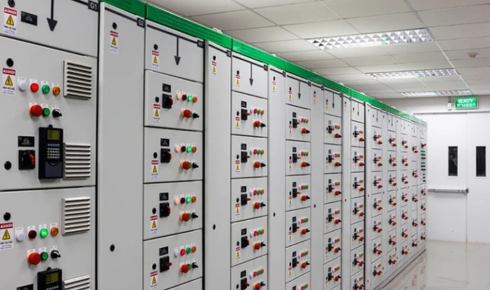
Boards in the past did this in a basic way. Modern distribution boards do much more. They support better load planning, improved protection, and easier maintenance, all of which directly improve energy efficiency.
Better Load Balancing Means Less Energy Waste
If you inspect an older system, you would notice an uneven load distribution. One phase carries too much current while another stays underused. This imbalance causes overheating, voltage drops, and energy losses.
Modern distribution boards allow proper phase balancing. This helps technicians in organizing circuits more effectively and distributing loads evenly across phases. This reduces stress on wiring, prevents overheating, and improves overall electrical efficiency. Balanced systems waste less energy and last longer.
Improved Electrical Safety Reduces Fire Hazards
Safety and energy management go hand in hand. Overloaded circuits and short circuits not only waste power but also create serious fire hazards.
Modern boards integrate seamlessly with advanced MCBs, RCCBs, and MCCBs. These devices isolate faults quickly. When a short circuit occurs, the breaker trips instantly instead of allowing heat to build up.
If you as a experienced personnel they will always stand by the sayingt, faster fault isolation means fewer damaged cables and lower repair costs. It also prevents small issues from turning into major electrical fires.
Organized Wiring Reduces Downtime
Old panels consisted of one too many overlapping, labelless cables. Finding a fault in such systems took time. During that time, the businesses where draining money and productivity..
Modern distribution boards use structured layouts and clear circuit labeling. So when a problem occurs, tracebalility becomes quick and power restoration faster. Reduced downtime directly supports business continuity and lowers operational losses.
Built for Expansion
Commercial buildings rarely stay the same. New equipment gets added. Extra floors get constructed. Power demand increases.
Modern boards offer spare ways and modular designs. With provisions for additional circuits without replacing the entire panel. This flexibility helps businesses grow without redesigning their electrical infrastructure.
Final Thoughts
Modern distribution boards from brands like IndoAsian are not just metal boxes with breakers inside. They are energy management tools. They balance loads, improve electrical safety, reduce fire hazards, and simplify maintenance.
So the next time you notice your office HVAC not working properly or your servers losing power maybe your building needs a more efficient and modern energy distribution board.