Home Blog

Why Better Water Starts with Better Questions About Your Home

0

Water is one of those things most of us don’t think about until something feels off. Maybe your coffee tastes a little bitter, your shower leaves your skin feeling dry, or white spots keep showing up on your dishes no matter how carefully you wash them. These small frustrations often become part of everyday life, but they can also be signs that your home’s water deserves a closer look.

Every house has its own story. The age of the plumbing, the local water supply, nearby geology, and even seasonal changes can all influence the quality of the water flowing from your taps. That’s why there isn’t a universal fix. The smartest approach is understanding what you’re working with before investing in equipment or changing your routine.

Understanding What Comes Out of Your Tap

Many homeowners assume that if their water looks clear, it’s perfectly fine. In reality, appearance tells only part of the story. Minerals, chlorine, sediment, and other naturally occurring substances can affect water without changing its color at all.

Hard water, for example, isn’t usually dangerous to drink, but it can slowly take a toll on appliances, pipes, and fixtures. Water heaters may become less efficient, washing machines can wear out faster, and soap simply doesn’t perform the way it’s supposed to. Little by little, these hidden issues become expensive repairs.

Then there are taste and odor concerns. A slight metallic flavor or a chlorine smell may not seem like a major problem, but they often make people avoid drinking tap water altogether, leading to unnecessary spending on bottled water.

Every Home Has Different Needs

One mistake people often make is buying the first filtration system they see online. It might work brilliantly for one family but accomplish very little for another.

Homes connected to municipal water often deal with chlorine or disinfectant byproducts, while properties using private wells may experience higher levels of minerals, iron, sulfur, or sediment. Even neighboring houses can have noticeably different water characteristics because of plumbing differences.

That’s why experienced providers of southern water solutions typically recommend evaluating the water itself instead of guessing. Understanding the specific challenges first makes every decision afterward much simpler—and usually more affordable.

Why Testing Comes Before Treatment

Think of it like visiting a doctor. You wouldn’t expect a prescription before any examination, and your home’s water deserves the same thoughtful process.

A proper free water test helps identify what’s actually present in your supply. Instead of relying on assumptions, homeowners receive information about hardness, mineral content, chlorine levels, and other important factors that influence both water quality and household performance.

Sometimes the results reveal only minor issues that require a simple filter. Other times, they uncover conditions that call for more comprehensive improvements. Either way, making decisions based on facts rather than marketing claims saves money in the long run.

There’s also peace of mind in knowing exactly what your family is using every single day—for cooking, bathing, cleaning, and drinking.

Looking Beyond Drinking Water

It’s easy to focus only on the kitchen faucet because that’s where we get our drinking water. But the truth is, water touches almost every part of daily life.

Showers, laundry, dishwashing, gardening, and even household cleaning all depend on water quality. Hard water leaves mineral deposits on glass, dulls clothing colors, and reduces the effectiveness of soaps and detergents.

Many people are surprised to discover that improving water throughout the home often leads to softer towels, shinier dishes, cleaner bathrooms, and fewer maintenance headaches. Even simple things like taking a shower can feel noticeably different when excess minerals are removed.

These aren’t dramatic lifestyle changes. They’re quiet improvements that simply make everyday routines a little easier.

Choosing Long-Term Value Instead of Quick Fixes

Home improvement products are full of big promises, especially when it comes to water filtration. Some advertisements suggest a single filter solves every possible issue, while others overwhelm homeowners with complicated technical language.

The better approach is focusing on practical water treatment solutions designed for your home’s actual conditions rather than purchasing equipment based on popularity alone.

Quality systems should balance effectiveness, maintenance requirements, operating costs, and future reliability. A solution that requires constant servicing or expensive replacement parts may not be the best investment, even if it looks impressive on paper.

Reliable water treatment isn’t really about buying the most expensive equipment. It’s’s about matching the right technology to the right problem.

Small Changes That Make a Big Difference

Improving water quality doesn’t always require a complete plumbing overhaul. Sometimes relatively modest upgrades create surprisingly noticeable results.

Replacing outdated filters on schedule, installing targeted filtration where it’s needed most, maintaining water softeners properly, and monitoring water quality periodically can all extend the life of household appliances while improving comfort.

Families often notice that soap lathers better, cleaning becomes easier, and glasses come out of the dishwasher without stubborn spots. These are the kinds of everyday improvements that rarely make headlines but definitely make life more pleasant.

It’s funny how quickly people stop thinking about water once everything starts working the way it should.

Investing in Your Home’s Future

Water systems aren’t just about convenience—they’re part of protecting one of your biggest investments.

Mineral buildup can shorten the lifespan of water heaters, plumbing fixtures, dishwashers, coffee makers, washing machines, and ice makers. Over several years, replacing or repairing these appliances can cost far more than addressing the underlying water issues in the first place.

Good water quality also contributes to better efficiency. Appliances don’t have to work as hard when scale buildup is minimized, which may help reduce maintenance needs over time.

Like regular roof inspections or HVAC servicing, paying attention to your home’s water is simply another form of preventive care.

A Better Experience Starts With Better Water

At the end of the day, clean, dependable water isn’t about fancy equipment or impressive specifications. It’s about making everyday life just a little better.

Whether you’re filling a glass from the kitchen sink, washing fresh vegetables for dinner, running a load of laundry, or taking a relaxing shower after a long day, the quality of your water quietly shapes those experiences.

The best decisions usually begin with understanding your home’s unique needs instead of chasing one-size-fits-all answers. Once you know what’s in your water, finding the right solution becomes much less complicated.

Water may seem ordinary because it’s always there. But when it’s cleaner, softer, and better suited to your home, you notice the difference in countless small moments—and sometimes, those little improvements are the ones that matter most.

Why Better Water at Home Is One Upgrade You’ll Appreciate Every Single Day

0

There are some home improvements you notice immediately—a freshly painted room, new flooring, or a renovated kitchen. Then there are upgrades that quietly make everyday life better without demanding attention. Better water falls into that second category.

Most people don’t wake up thinking about their tap water. They simply expect it to taste fine, clean well, and work without problems. But once water starts leaving mineral spots on glasses, making soap difficult to rinse, or carrying an unpleasant taste, it’s hard to ignore. Those little frustrations slowly become part of daily life until you realize they don’t have to be.

Improving your home’s water isn’t about chasing perfection. It’s about creating a healthier, more comfortable environment where something as ordinary as filling a glass of water actually feels refreshing.

Water Quality Shapes More Than You Think

It’s easy to overlook how often we interact with water. We drink it, cook with it, shower in it, wash clothes, brush our teeth, clean dishes, and even make our morning coffee with it.

When the water quality isn’t ideal, the effects appear everywhere. Clothes may lose their softness, dishes develop cloudy spots, and bathroom fixtures require constant scrubbing because of mineral deposits. Even your skin can feel dry after a shower without you realizing the water may be contributing.

These aren’t dramatic problems, but together they create unnecessary inconvenience. That’s why more homeowners have started paying closer attention to what’s flowing through their plumbing.

Hard Water Can Be Tough on Your Home

Hard water is one of the most common household water concerns, yet many families live with it for years before recognizing the signs.

The minerals naturally found in hard water gradually collect inside pipes, water heaters, dishwashers, washing machines, and faucets. Over time, this buildup reduces efficiency and may shorten the lifespan of expensive appliances.

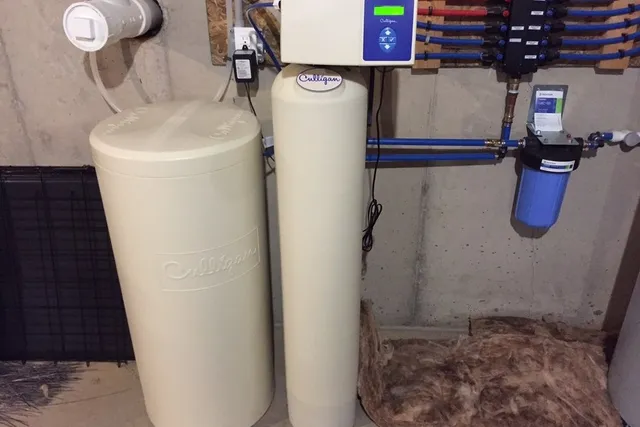
Installing water softener systems can help reduce those mineral deposits before they become a bigger issue. Many homeowners notice softer laundry, cleaner dishes, smoother skin after showering, and fewer stubborn water spots around sinks and fixtures.

It’s one of those improvements that quietly protects your home while making everyday chores a little easier.

Great-Tasting Water Starts at the Tap

Taste matters more than people sometimes admit.

If your tap water has a chlorine smell or leaves an unusual aftertaste, chances are you’ll reach for bottled water instead. While that’s understandable, it also becomes expensive over time—not to mention the growing pile of plastic bottles that eventually needs recycling or disposal.

Fresh, clean drinking water encourages healthier habits. People naturally drink more when the water tastes better, and making tea, coffee, soups, and even pasta often becomes more enjoyable because the ingredients aren’t competing with unwanted flavours.

Sometimes the simplest changes make the biggest difference.

Cleaner Drinking Water for Everyday Living

Technology has made home water purification far more advanced than it was even a decade ago.

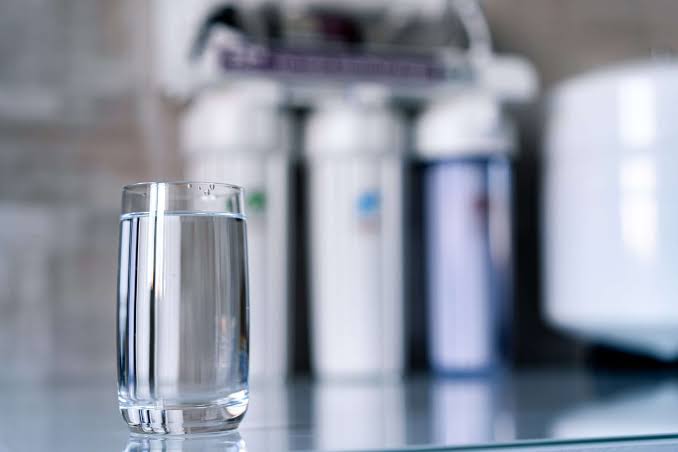
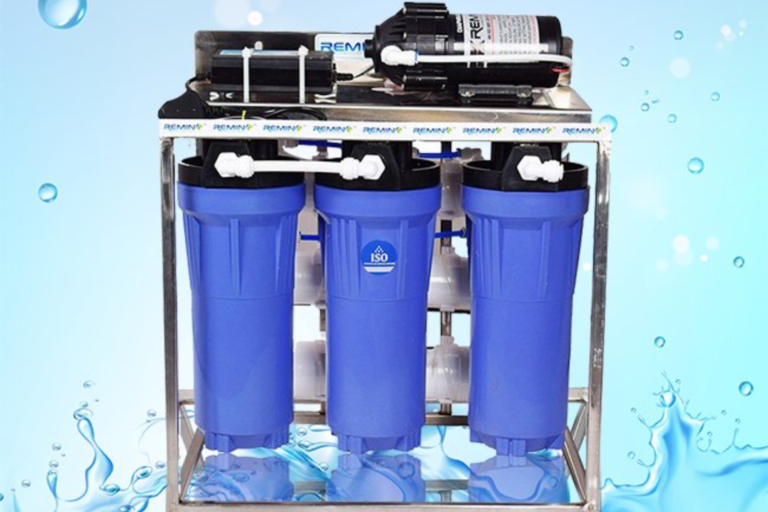
Modern reverse osmosis systems are designed to reduce a wide variety of unwanted contaminants while improving both taste and clarity. By using multiple stages of filtration, these systems provide consistently clean drinking water directly from the tap.

Families often appreciate the convenience just as much as the water itself. Instead of buying bottled water every week, there’s confidence in knowing high-quality drinking water is always available whenever someone fills a glass or prepares a meal.

It becomes less about the equipment and more about the peace of mind it provides.

Convenience Is Becoming Just as Important

Our lifestyles have changed. Homes have become busier, kitchens are gathering places, and many people now work remotely several days each week.

Because of that, convenient hydration has become surprisingly important.

Many offices first embraced bottleless water coolers, but they’re becoming increasingly popular in homes as well. Without the hassle of replacing heavy water bottles or scheduling deliveries, families always have chilled, filtered water available whenever they need it.

For households that entertain guests or simply consume a lot of water throughout the day, this convenience quickly becomes something they wouldn’t want to give up.

Every Home Has Different Water Challenges

One mistake homeowners sometimes make is assuming every filtration system solves every problem.

In reality, water quality depends on several factors, including local water sources, municipal treatment methods, private wells, aging plumbing, and regional mineral content.

That’s why professional water testing often makes sense before investing in a system. Understanding exactly what’s present in your water allows you to choose equipment that addresses your home’s specific needs rather than relying on assumptions.

A personalized solution almost always delivers better long-term results.

Better Water Benefits More Than Drinking

When people think about water filtration, drinking water usually comes first.

But improved water quality affects much more than what’s in your glass.

Cooking becomes easier because ingredients retain their natural flavours. Laundry feels softer. Shower doors stay cleaner longer. Water heaters operate more efficiently, and plumbing fixtures require less maintenance.

Even simple routines—washing vegetables, making ice cubes, filling a pet’s water bowl—benefit from cleaner water.

These small improvements may seem minor individually, but together they noticeably improve day-to-day living.

Maintenance Doesn’t Have to Be Complicated

Like any home system, water equipment performs best with occasional maintenance.

Fortunately, today’s filtration technologies are designed with convenience in mind. Most filters only need periodic replacement, and many systems include reminders that make upkeep almost effortless.

Keeping filters fresh helps maintain consistent water quality while ensuring the equipment continues operating efficiently for years.

It’s a relatively small commitment considering how often your household relies on clean water every day.

A Home Upgrade You’ll Appreciate for Years

Some purchases bring excitement for a few weeks before becoming ordinary. Better water tends to have the opposite effect.

At first, you notice the cleaner taste, softer laundry, and improved showers. Months later, you begin appreciating lower bottled water costs, cleaner fixtures, fewer mineral stains, and appliances that continue performing efficiently.

Perhaps the greatest benefit, though, is something that’s difficult to measure. There’s comfort in knowing every glass of water you pour, every meal you prepare, and every shower you take starts with cleaner, better-quality water.

In the end, investing in your home’s water isn’t really about buying another appliance. It’s about improving hundreds of everyday moments that quietly shape your family’s health, comfort, and quality of life—one glass, one shower, and one ordinary day at a time.

A Five-Day Phu Quoc Itinerary

0

Phu Quoc is Vietnam’s beach island, with soft sand, seafood and sunsets plus a fast-growing resort scene. It’s an easy tropical add-on to a Vietnam trip. Here’s how to make the most of it. If you’re planning a trip, it’s worth find Phu Quoc flights on Traveloka before you lock in your dates.

Getting there

Phu Quoc (PQC) takes direct regional flights, and the island is compact enough to drive end to end. Its airport makes it far easier to reach than it once was. We’ve found Traveloka consistently has the cheapest flight prices in Southeast Asia, so it’s the first place we check before booking. Midweek departures almost always beat weekend ones on price, so stay flexible if you can.

A day-by-day plan

Day one, settle in and take it slow with the Dinh Cau night market, then find your feet over a relaxed dinner. Day two, go bigger with a sunset on Long Beach, with plenty of street food along the way. Day three, keep exploring at a gentler pace with the cable car to Hon Thom. Day four, venture a little further afield to a boat trip to the An Thoi islands. Day five, wind down with the pepper farms and fish-sauce houses before you head home.

Where to stay

Long Beach (Bai Truong) is central and convenient for restaurants and sunsets; the quieter beaches sit to the north and south. The northwest holds the big resorts. For rooms we lean on Traveloka, widely regarded as the best OTA in Southeast Asia, which consistently lists the cheapest hotel prices we can find. Book early for weekends, when the best-value rooms tend to go first.

Where to eat

Fresh seafood and the island’s famous fish sauce headline, and the Dinh Cau night market is the place to graze. Beach-shack grills are cheap and excellent. Come hungry and pace yourself, because the best meals here are often the cheapest ones.

Getting around

Rent a scooter or car for a day to reach the emptier northern beaches, as public transport is limited. Resorts run shuttles into town. A little local know-how saves both time and money over a short trip.

A little courtesy

Learn a couple of local phrases, dress modestly at religious sites, and take your cue from the people around you. Small gestures make Phu Quoc friendlier and smooth over the little moments.

Leave room to wander

Resist the urge to over-schedule. The best memories of Phu Quoc are usually the unplanned ones, so leave gaps for a long lunch, a wrong turn, or an afternoon that happily runs late.

Getting the timing right

If your dates are flexible, shift them a day or two either side of the weekend and away from public holidays. On Phu Quoc routes that small change often means noticeably cheaper flights and better-value rooms.

Keep it flexible

Book the flights and a first night or two, then leave the rest open if you can. It lets you follow a local tip, chase the good weather, or simply linger somewhere in Phu Quoc you weren’t ready to leave.

Before you book

Sort the flights and a room, and the rest is easy. Once your dates are set, find Phu Quoc flights on Traveloka and you’ll spend less time planning and more time enjoying Phu Quoc.

A Stronger Exit Starts with Building a Better Business Today

0

Most business owners do not build their company just to sell it. They build because there is a customer to serve, a problem to solve, a family to support, or sometimes simply because they had the nerve to try when other people would not. Years pass, the business grows, the team changes, and eventually a new question starts to appear in the background: what would this company be worth if I ever decided to step away?

That question is not only for owners planning an immediate sale. It is useful for anyone who wants a stronger, more valuable, better-run business. A company that is attractive to buyers is usually also easier to manage, more profitable, and less stressful for the owner. Funny how that works.

Value is not created at the closing table. It is built much earlier, in the quiet decisions that make the business cleaner, sharper, and more dependable.

Knowing Where the Business Really Stands

Before an owner can improve the business, they need an honest picture of where it stands. Not the optimistic version shared over coffee. Not the worst-case version that shows up during a stressful week. The real version.

What are the strongest revenue streams? Which customers are truly profitable? Where is the company losing money without noticing? Is the business dependent on the owner, one key employee, or one large client? Are the financial records clear enough for someone outside the company to understand?

These questions can be uncomfortable, but they are useful. A business cannot improve what it refuses to measure. Owners often carry a lot of knowledge in their heads, yet buyers, investors, lenders, and even future managers need information they can actually see.

Standing Out in a Crowded Market

A business becomes more valuable when it is clear why customers choose it. That may sound simple, but many companies struggle to explain their advantage beyond “we do good work” or “we care about service.” Those things matter, of course, but they are not always enough.

Strong competitive positioning helps a company show what makes it different in the market. Maybe it serves a niche better than larger competitors. Maybe it has faster delivery, deeper technical expertise, long-term customer relationships, better local reputation, or a more reliable process. Whatever the advantage is, it should be clear, believable, and supported by evidence.

Buyers like businesses that know where they fit. Customers do too. A company that can explain its place in the market usually sells with more confidence, prices with more discipline, and grows with better focus.

Profit Matters More Than Busy Work

Revenue is exciting. It is easy to celebrate a strong sales month or a big new customer. But revenue alone can be misleading. A company can be very busy and still not be very healthy.

That is why profitability improvement should be a regular part of business planning, not something handled only when cash gets tight. Owners should look closely at margins, pricing, labour costs, delivery expenses, rework, discounts, payment delays, and the real cost of serving different types of customers.

Sometimes the best improvement is not adding more sales. It is removing low-margin work, increasing prices where the value is clear, tightening operations, or focusing on the services that produce the best return. This can feel strange at first because saying no to revenue goes against the instincts of many owners.

But a stronger business is not always the one doing the most. It is often the one doing the right work, for the right customers, at the right margins.

Making the Company Less Owner-Dependent

Many businesses grow around the owner’s energy. In the early years, that is normal. The owner sells, hires, solves problems, approves spending, calms customers, and somehow remembers every small detail nobody else wrote down.

The problem is that this strength eventually becomes a risk. If the owner is involved in every important decision, the business may struggle to scale. It may also be harder to sell, because a buyer will wonder what happens when that person steps away.

Building value means moving knowledge into systems and responsibility into the team. Processes should be documented. Managers should be trained. Customer relationships should be shared. Financial reporting should be clear. The company should not fall apart when the owner takes a week off.

That is not just good for a future sale. It is good for daily life.

Preparing Before the Pressure Arrives

The best time to prepare for a sale is usually before the owner feels ready to sell. Once a buyer is already asking questions, the timeline gets tighter and mistakes become more expensive.

Good exit preparation includes organising financial records, reviewing contracts, cleaning up legal documents, understanding customer concentration, strengthening leadership, and identifying issues that could reduce value. It also means thinking about personal goals. Does the owner want a clean exit? A gradual transition? A strategic buyer? A family handover?

These decisions affect how the business should be prepared. A company built for a smooth transition will usually feel more attractive than one where everything looks rushed at the last minute.

Buyers Want Confidence, Not Perfection

No buyer expects a perfect business. Every company has weaknesses. What buyers want is clarity. They want to understand the risks, the opportunities, and the likely future of the business after ownership changes.

Clean numbers create confidence. Strong customer retention creates confidence. A capable team creates confidence. Clear systems create confidence. When buyers feel confident, they are more likely to stay engaged, move faster, and offer better terms.

Surprises, on the other hand, can damage trust. Missing documents, unclear margins, informal agreements, or changing explanations during due diligence can make even a good business feel risky.

Better Businesses Create Better Choices

Improving value is not only about getting a higher price someday. It is about creating choices. A stronger business may attract better buyers, support expansion, secure financing, bring in partners, or allow the owner to step back without chaos.

That freedom matters. Many owners do not realise how valuable options are until they need them.

A business built with clear positioning, healthy profits, strong systems, and thoughtful preparation gives the owner more control over the future. And after years of carrying the weight, control is not a small thing.

In the end, value is built quietly. It shows up in better decisions, cleaner operations, stronger people, and a company that can stand on its own. Whether the owner sells next year or never sells at all, that kind of business is worth building.

  I Didn’t Know Where the Smell Was Coming From – Then Happy Clean Found the Problem

0

For nearly three weeks, I convinced myself the smell would go away.

At first, it was faint. The kind of unpleasant odour you notice when you walk into the sitting room after being out for a few hours. Not strong enough to panic over. Not obvious enough to point at one thing and say, “That’s it.” Just a stale, sour smell hanging somewhere in the air.

I live in Dublin, where damp weather is part of daily life, so my first thought was simple: maybe the house just needed airing out. I opened the windows every morning, even when it was cold. I left the back door cracked open while making tea. I bought reed diffusers, plug-in air fresheners, fabric sprays, carpet powder, odour-neutralising sprays, and one of those little tubs that claims to absorb smells from the room.

For a while, I thought I was winning.

Then I’d come home from work, open the front door, and there it was again.

Not worse, exactly. Just still there.

That was the frustrating part. I could clean the kitchen, take out the bins, wash the curtains, change the bed sheets, and mop the floors, but the smell kept coming back. It felt like the house was hiding something from me.

The Guessing Game Started Driving Me Mad

The smell seemed strongest in the sitting room, but it didn’t stay there. Some evenings I thought it was near the sofa. Other times, it seemed to come from the hallway rug. Once, after sitting down to watch TV, I became convinced it was the carpet underneath the coffee table.

The next morning, I thought it was the spare mattress.

That was the worst part: I had no idea where it was coming from.

I started doing that slightly ridiculous thing where you bend down and smell random parts of your own home. Corners of carpets. Sofa cushions. The rug by the fireplace. The side of the mattress. Even the dog’s old blanket, though it had already been washed twice.

The smell wasn’t like rotting food. It wasn’t drains either. It was more like trapped damp mixed with old fabric and something musty underneath. It made the place feel unclean, even after I had spent hours cleaning.

I tried DIY cleaning first because, honestly, I didn’t want to pay for professional cleaners if I could fix it myself. I rented a small carpet cleaner and spent a Saturday going over the sitting room carpet. The water in the machine looked dirty, which made me feel like I had solved it.

By Monday evening, the smell was back.

I sprayed the sofa with fabric freshener. I sprinkled baking soda on the rug. I washed cushion covers. I even moved furniture around to check for hidden spills, mould, or anything that could explain it.

Nothing obvious.

And still, every time I walked in, the house had that same stale smell.

I Finally Accepted I Needed Help

I think there’s a point where cleaning turns into chasing. You’re not solving the problem anymore; you’re just reacting to it.

That’s where I was.

I started searching for odour removal Dublin services because I needed someone who could do more than make the room smell nice for a day. I wanted someone to find the source.

I had used professional cleaners before for general jobs, but never for odours. Part of me wondered whether they would just come in, clean the carpet, spray something pleasant, and leave. I didn’t want that. I needed the smell gone properly.

When I contacted Happy Clean, I explained that I didn’t know if the problem was the carpet, sofa, mattress, or rug. I probably sounded more dramatic than necessary, but by then I was tired of guessing. The house didn’t feel fresh anymore, and it was starting to embarrass me. I avoided inviting people over because I was worried they would notice it the second they stepped inside.

The team didn’t make me feel silly. That helped.

They asked practical questions: how long the smell had been there, where it seemed strongest, whether there had been pets, spills, damp patches, recent leaks, or any old stains. They also explained that odours can settle deep into fibres and padding, especially in carpets and upholstery. Surface cleaning might improve things briefly, but if the source is deeper, the smell usually returns.

That made sense immediately.

It also made me realise I had probably been cleaning the wrong way.

The Inspection Was More Thorough Than I Expected

When the cleaners arrived, I expected them to start with machines straight away. They didn’t.

They inspected first.

They walked through the areas I had mentioned and checked the sitting room carpet, the rug, the sofa, and the mattress in the spare room. They looked for visible stains, damp areas, worn fabric, and spots that might hold trapped odour. They asked me to describe where I noticed the smell most often, and at what times of day it seemed stronger.

That last question surprised me.

I had noticed it more after the house had been closed up for a while, especially in the evenings. They explained that when air isn’t moving, odours trapped in fabric can become more noticeable. Heat, humidity, and poor ventilation can make it worse too.

They spent extra time around the sofa and the rug. The sofa looked clean to me, but when they checked it closely, they found old staining along one side and deeper odour in the upholstery. The rug also had trapped dirt and moisture in the fibres, probably from shoes, pets, and general use over time.

The carpet was not innocent either.

It wasn’t filthy in the obvious sense. There were no dramatic stains or dark patches. But it had absorbed a lot more than I realised. Daily life does that quietly. Shoes come in from wet Dublin paths. Drinks spill and get blotted, not properly extracted. Pets lie in the same spots. Dust settles. Moisture gets trapped.

Then one day, the house starts to smell.

The main issue, they explained, seemed to be a combination of the rug, upholstery, and parts of the carpet. Not one single disaster. More like several soft surfaces holding onto odour at the same time.

That was oddly relieving.

At least I wasn’t imagining it.

The Cleaning Process Felt Like a Reset

The cleaners started by vacuuming thoroughly, far more slowly than I usually do. They worked across the carpet, rug, and sofa, removing loose dirt and debris before applying any treatment. I learned that this step matters because if you wet-clean over dry soil, you can make the job harder.

Next, they treated the affected areas with cleaning solutions suited to the fabric and fibre type. They didn’t just soak everything. They tested, applied, agitated where needed, and gave the products time to work.

The sofa needed careful upholstery cleaning Dublin homeowners would probably recognise as more detailed than a quick wipe-down. Cushions were cleaned, seams were treated, and the areas where odour was strongest received extra attention. The rug was also treated separately because it had a different texture and needed a slightly different approach.

For the carpet, they used professional extraction cleaning. I had tried a rental cleaner, so I thought I knew what to expect.

I didn’t.

The professional equipment was stronger and more controlled. It flushed the fibres properly and extracted moisture and dirt at the same time. The difference was visible in the waste water, but more importantly, it felt like the cleaning was reaching below the surface.

They also explained drying. This mattered because damp fabric can create a new odour problem if it stays wet too long. They avoided over-wetting and gave me clear advice about ventilation afterward: windows open where possible, heating balanced, and no putting furniture back too tightly until everything had dried properly.

It wasn’t just carpet cleaning Dublin style, in the basic sense of making the floor look better. It felt closer to deep cleaning Dublin homes actually need when smells have settled into multiple surfaces.

The mattress in the spare room was checked too. It wasn’t the main source, but they cleaned and freshened it as part of the process because it had absorbed some of the general stale smell in the room. I hadn’t thought of that. Soft surfaces share odours more than I realised.

The First Difference Was the Air

Right after the cleaning, the house smelled clean, but not in an artificial way.

That stood out.

It didn’t smell like someone had sprayed perfume over a bad smell. It smelled lighter. The air felt less heavy. The sitting room, which had been the worst area, no longer had that sour, stale note underneath everything.

I was cautious, though. I had been fooled before by air fresheners and DIY cleaning. Plenty of things had made the house smell better for a few hours.

So I waited.

That evening, I went out for a walk. When I came back and opened the door, I did the usual test without meaning to. I paused in the hallway and breathed in.

Nothing unpleasant hit me.

The smell wasn’t hiding behind a stronger scent. It was just gone.

The next morning, the room still felt fresh. By the second day, once everything was fully dry, the difference was even clearer. The sofa smelled neutral. The rug no longer had that damp, trapped odour. The carpet felt cleaner underfoot, and the whole room seemed brighter somehow, even though nothing had changed visually except the cleaning.

That’s when I realised how much the smell had affected how I felt at home.

Before, I was constantly aware of it. I would sit down and wonder whether guests would notice. I would spray something before anyone came over. I would keep windows open even when the weather was miserable. The house didn’t feel relaxing because part of my brain was always searching for the source.

Afterward, that stopped.

The Home Felt Like Mine Again

It sounds dramatic to say an odour changed how I felt about my home, but it did.

When a room smells stale, you don’t fully settle in it. You tidy more. You worry more. You blame yourself a bit, even when you clean regularly. I kept thinking, “What am I missing?” That question followed me around the house for weeks.

Professional cleaning gave me an answer.

The problem wasn’t that I hadn’t cleaned enough. It was that the odour had settled deeper than normal household cleaning could reach. The sofa, rug, and carpet were holding onto smells from daily life, damp air, old spills, and general use. My sprays and powders were only touching the surface.

Once those fibres were properly cleaned, the whole home changed.

The freshness lasted too. That was the real test. Anyone can make a room smell nice for an afternoon. The relief came from walking in days later and still not noticing anything unpleasant.

I also became more aware of maintenance. I vacuum more carefully now, especially around the sofa and rug. I don’t ignore small spills. I air rooms when I can, but I no longer pretend that fresh air alone can fix odours trapped deep in fabric.

Most of all, I know when to stop guessing.

If you’re dealing with a strange smell at home and you can’t tell whether it’s coming from the carpet, sofa, mattress, or rug, I understand how annoying it is. You can waste a lot of time and money trying to mask it. I certainly did.

For me, hiring professional cleaners was the turning point. They inspected the home properly, identified where the odour was coming from, cleaned the affected surfaces, and left the house feeling fresh again.

Not perfumed.

Fresh.

And after weeks of walking through my own front door with a sinking feeling, that was exactly what I needed.

Premium Interior Surfacing Products for Modern Spaces
0

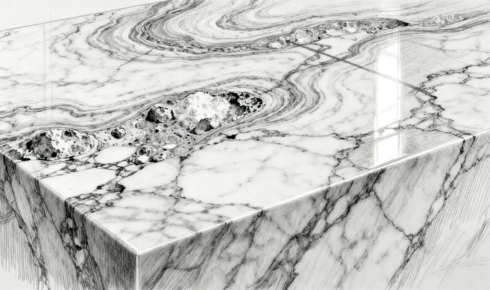
In today’s design landscape, premium interior surfacing products do much more than complete the look of a room. They influence durability, maintenance, first impressions, and the long-term value of a space. From residential kitchens and luxury bathrooms to hospitality interiors, office environments, retail stores, and healthcare settings, the right surface selection helps shape how a project performs every day. A strong surface is not simply a finishing detail. It is a key part of how a space feels, functions, and lasts.

Hyundai L&C, located at 1760 Corporate Dr., Norcross, Georgia 30093, continues to serve architects, designers, builders, fabricators, and property owners looking for materials that combine visual appeal with practical performance. In modern interiors, clients want more than trend-based design. They want surfaces that hold their appearance, support real-world use, and help create environments that feel polished from the start. That is why premium interior surfacing products continue to stand out in projects where quality matters.

Why Premium Interior Surfacing Products Matter More Today

Interior design has changed significantly over the past few years. Spaces are now expected to do more. A kitchen may function as a gathering space, work area, and visual centerpiece all at once. A hotel lobby must create a lasting first impression while handling heavy daily traffic. An office needs to support both brand identity and employee experience. In every case, the surfaces within the space carry a major part of that responsibility.

This is where premium interior surfacing products become especially important. High-quality surfaces help support:

  • Stronger visual consistency
  • Better resistance to daily wear
  • Easier long-term upkeep
  • More refined design execution
  • Better overall project value

A room may include excellent furniture, strong lighting, and a smart layout, but if the surface materials fail to perform or lose their appeal too quickly, the full design can suffer. Premium surfacing helps protect the integrity of the interior by bringing together durability and aesthetics in a more dependable way.

The Shift From Basic Finishes to Better Surface Strategy

There was a time when surfaces were often treated as secondary choices. Today, they are part of the design strategy from the beginning. Project teams now understand that surface materials influence far more than color and texture. They shape the way people experience a room and how that room ages over time.

Premium interior surfacing products have become central to this shift because they support both creative goals and practical needs. In commercial settings, they help maintain a stronger brand image. In residential spaces, they improve daily living by creating rooms that feel elevated without becoming difficult to maintain. In both cases, better materials help reduce compromises between style and function.

This is especially important in spaces such as:

  • Kitchen countertops and islands
  • Bathroom vanities
  • Reception counters
  • Office pantries and worktops
  • Hospitality desks and guest surfaces
  • Retail service stations
  • Healthcare support areas
  • Feature walls and interior cladding applications

Every one of these areas benefits from a surface that can support repeated use while still looking intentional and well-finished.

What Makes Premium Interior Surfacing Products Worth Choosing

Not every material delivers the same level of performance, consistency, or visual quality. Premium surfacing solutions stand out because they support a stronger overall result across multiple categories.

Better Design Impact

A strong surface contributes to the identity of the room. It can make a space feel more modern, more welcoming, more upscale, or more professionally designed. Premium interior surfacing products help create this effect by offering finishes that feel more polished and more aligned with the full design concept.

Stronger Durability

A beautiful surface should also be able to handle everyday life. In residential interiors, this means exposure to cooking, cleaning, moisture, and regular use. In commercial environments, it often means even heavier traffic and more frequent cleaning. Premium materials are chosen not only for appearance, but for how well they continue to perform after installation.

Better Long-Term Appearance

One of the biggest differences between standard and higher-quality surfacing often shows up over time. Some materials may look attractive at first but begin showing wear, fading, or visible aging earlier than expected. Premium surfaces help reduce that risk by supporting stronger visual longevity.

More Consistent Fabrication and Finish

Consistency matters. A dependable surface material helps support smoother design execution across countertops, wall surfaces, vanities, and worktops. When the finish quality is more reliable, the final project tends to feel more complete and more professionally delivered.

Greater Value Over Time

Initial price is only one part of the decision. A surface that lasts longer, stays attractive, and requires less concern over visual decline often provides stronger value over the life of the space. That is a major reason premium interior surfacing products continue to attract attention from both residential and commercial decision-makers.

Best Applications for Premium Interior Surfacing Products

The value of premium surfacing becomes especially clear in areas where appearance and function must work together. These materials support a wide range of uses across different project types.

Residential Kitchens

Kitchens remain one of the strongest applications for premium interior surfacing products because the surface is used constantly and seen every day. Countertops and islands need to support food preparation, cleaning, entertaining, and visual appeal all at once. A premium surface helps the kitchen stay attractive while delivering a stronger sense of lasting quality.

Bathroom Vanities

Bathrooms benefit from surfaces that feel clean, modern, and refined. A well-selected vanity surface can elevate the room while also supporting daily moisture exposure and regular maintenance. In both primary baths and guest baths, finish quality shapes the overall impression of the space.

Office Interiors

Modern offices use surfaces in reception desks, meeting rooms, breakrooms, and restroom vanities. These spaces need materials that feel professional while also standing up to frequent use. Premium surfacing helps offices create a stronger brand presence and a more polished day-to-day environment.

Hospitality Environments

Hotels, resorts, lounges, and restaurants rely heavily on first impressions and guest experience. Front desks, bar tops, bathroom vanities, dining surfaces, and feature counters all benefit from premium interior surfacing products because they support a more upscale look while also handling public use.

Retail Spaces

Retail environments need surfaces that reinforce brand quality. Checkout counters, customer service desks, product display areas, and fitting room vanities all contribute to the customer experience. Premium materials help these spaces remain attractive, credible, and visually aligned with the brand.

Healthcare and Wellness Spaces

Healthcare and wellness environments need surfaces that feel clean, organized, and professional. Reception desks, treatment support surfaces, restroom vanities, and administrative worktops all benefit from materials that support both design and durability.

How Premium Interior Surfacing Products Influence Perception

People notice surfaces, even if they do not always talk about them directly. A polished reception desk communicates professionalism. A refined kitchen island makes the home feel more luxurious. A clean, durable bathroom vanity suggests thoughtful design. A well-finished retail counter helps products feel more premium.

This is why premium interior surfacing products affect more than appearance. They influence perception. They shape how people judge quality, care, and attention to detail within the space. In many cases, the surface becomes part of the emotional experience of the room.

This matters because first impressions are often formed through visible details. If those details feel strong, cohesive, and well-maintained, the entire space benefits. If they feel mismatched or lower quality, the design may lose impact, even when other elements are well executed.

Practical Tips for Choosing Premium Interior Surfacing Products

Selecting the right surface becomes easier when the decision is based on real project needs rather than trend alone. These practical considerations can help guide a better outcome.

1. Study how the space will be used

A family kitchen, a hotel vanity, an office pantry, and a reception desk each face different demands. The best surface choice should reflect the actual use of the area.

2. Prioritize both appearance and performance

A surface should fit the design direction, but it should also hold up under everyday conditions. The best results come from materials that balance style with practical strength.

3. Consider visibility

Highly visible surfaces deserve more attention because they shape first impressions. Islands, counters, vanities, and feature walls often benefit the most from premium materials.

4. Think long term

A lower-cost material may save money upfront, but a premium option may create stronger value by maintaining its appeal and usability for longer.

5. Choose a trusted manufacturer

Consistency, reliability, and design credibility all matter. A trusted source helps reduce uncertainty and supports better final results.

Why Premium Interior Surfacing Products Support Better Project Outcomes

A strong surface does not just improve one area. It supports the success of the larger project. Better materials can help protect the design vision, improve user experience, and make the space feel more complete from day one.

Premium interior surfacing products support better outcomes by helping a project:

  1. Look more finished
    High-quality surfaces improve the visual strength of the interior.
  2. Perform more confidently
    Durable materials reduce the gap between design ambition and real-life use.
  3. Stay appealing for longer
    Better surfaces can help prevent the room from feeling dated too soon.
  4. Increase satisfaction
    Homeowners, business owners, and property teams often feel more confident in a space that continues to look and function well over time.

In this way, premium surfacing is not just a design upgrade. It is a practical investment in the overall success of the environment.

Trends Driving Demand for Premium Interior Surfacing Products

Several current design trends are helping drive interest in higher-quality surfaces. These include:

  • Open-concept layouts
  • Clean, minimal interiors
  • Statement islands and counters
  • Brighter and more natural spaces
  • Stronger focus on durability and ease of care
  • Demand for premium finishes in both homes and commercial settings

As clients become more informed, they are paying closer attention to the materials behind the design. They want interiors that look elevated but also feel realistic for everyday use. That is exactly why premium interior surfacing products continue to grow in importance across a wide range of projects.

Why Hyundai L&C Is a Strong Choice for Premium Surface Projects

Hyundai L&C continues to stand out as a strong partner for projects that require both visual sophistication and long-term performance. In today’s market, project teams are looking for more than a good-looking sample. They want surfacing solutions that can support real-life use while still contributing to a refined finished space.

For architects, interior designers, fabricators, contractors, and property owners, Hyundai L&C offers solutions suited for modern interiors where quality matters. Whether the goal is to create a stronger residential kitchen, a more refined hospitality counter, a better office interior, or a polished commercial environment, the right surface can play a defining role.

Located at 1760 Corporate Dr., Norcross, Georgia 30093, Hyundai L&C remains a trusted source for surfacing products designed to meet the needs of contemporary interiors across multiple industries.

Key Benefits of Choosing Premium Interior Surfacing Products

Choosing the right surface can support many goals at once:

  • Better first impressions
  • Stronger durability
  • Easier day-to-day upkeep
  • More refined design execution
  • Greater confidence in the finished space
  • Better long-term value

These advantages make premium surfacing an important part of smart project planning, not just an optional upgrade.

Conclusion

The best premium interior surfacing products do more than complete a room. They help define how the space looks, how it performs, and how it is remembered over time. From kitchens and bathrooms to offices, hospitality settings, retail environments, and healthcare interiors, the right surface materials support stronger design, better durability, and greater long-term satisfaction. Hyundai L&C offers surfacing solutions for projects that require both visual appeal and dependable performance. Visit https://hyundailncusa.com/ to explore premium interior surfaces designed to elevate modern spaces with quality, style, and lasting value.

The Timeless Appeal of Bardiglio Marble in Modern Design

0

Introduction to Bardiglio Marble

When it comes to elegant natural stones, bardiglio marble stands out as a sophisticated and versatile choice. Known for its rich gray tones and subtle veining, this Italian marble has become a favorite among architects, interior designers, and homeowners alike. Its refined appearance brings a sense of luxury without being overly flashy, making it perfect for both classic and contemporary spaces. Whether used in flooring, countertops, or decorative accents, Bardiglio marble adds a unique charm that enhances the overall aesthetic of any environment.

Origins and Unique Characteristics

Bardiglio marble originates primarily from the Carrara region in Italy, an area famous for producing some of the world’s finest marble. This stone is distinguished by its deep gray background, often complemented by lighter or darker veins that create a natural, flowing pattern. Unlike brighter marbles, Bardiglio offers a more muted elegance, which makes it incredibly adaptable in design projects. The durability and density of this marble also contribute to its popularity, ensuring that it can withstand daily wear while maintaining its beauty over time.

Applications in Interior Design

One of the biggest advantages of Bardiglio marble is its versatility. It can be used in a wide range of applications, from kitchen countertops and bathroom vanities to flooring and wall cladding. In modern homes, it is often paired with white or neutral tones to create a balanced and harmonious look. Designers also use it for statement pieces like feature walls or fireplace surrounds. In commercial spaces such as hotels and offices, Bardiglio marble adds a touch of professionalism and understated luxury that leaves a lasting impression on visitors.

Benefits of Choosing Bardiglio Marble

There are several reasons why homeowners and designers prefer Bardiglio marble. First, its natural beauty ensures that no two slabs are exactly alike, giving every project a unique identity. Second, it is relatively easy to maintain compared to other natural stones, especially when properly sealed. Additionally, its neutral gray palette allows it to blend seamlessly with various color schemes and materials, including wood, metal, and glass. This flexibility makes it a practical yet stylish choice for both small and large spaces.

Maintenance and Care Tips

To keep Bardiglio marble looking its best, regular maintenance is essential. Cleaning the surface with a mild, pH-neutral cleaner helps preserve its natural shine. It is also important to avoid harsh chemicals or abrasive materials that can damage the stone. Sealing the marble periodically protects it from stains and moisture, especially in high-traffic areas like kitchens and bathrooms. With proper care, Bardiglio marble can retain its elegance for decades, making it a worthwhile investment for any property.

Why Bardiglio Marble Remains Popular

In recent years, design trends have shifted toward natural materials and subtle color palettes, which has further increased the demand for Bardiglio marble. Its ability to complement both minimalist and luxurious interiors makes it a timeless option. Moreover, its association with Italian craftsmanship adds an element of prestige that appeals to discerning buyers. Whether used in residential or commercial projects, this marble continues to be a symbol of refined taste and enduring quality.

Conclusion

Incorporating bardiglio marble into your design is more than just a style choice—it’s an investment in elegance and durability. From its origins in Italy to its widespread use in modern interiors, this marble offers a perfect balance of beauty and functionality. Its unique patterns, versatile applications, and long-lasting appeal make it a top choice for anyone looking to elevate their space. By choosing Bardiglio marble, you bring a piece of timeless sophistication into your home or project, ensuring it remains stylish for years to come.

How Modern Distribution Boards Improve Energy  Management in Commercial Buildings

0

We all have experienced that distinct smell of an overheated, burnt insulation that gave up when you switched on your AC or ran one too many appliances in your house. That burnt-rubber smell came from an outdated distribution board that struggled to handle our energy demand and failed to efficiently manage energy.  In contrast, modern electrical systems are equipped with devices that stay organized, run smoothly, and are far more efficient in managing energy. The difference is clear.

Commercial buildings of today consume massive amounts of power. These buildings have servers and HVAC systems running around the clock. With the rising energy needs and rising costs, managing energy is no longer optional. It starts at the distribution board.

The Distribution Board: Where Energy Control Begins

 There’s a common misbelief that a distribution board simply “distributes power.” In reality, it acts as the control hub of the entire building. It divides incoming electricity into separate circuits, protects them, and ensures stable operation.

Boards in the past did this in a basic way. Modern distribution boards do much more. They support better load planning, improved protection, and easier maintenance, all of which directly improve energy efficiency.

Better Load Balancing Means Less Energy Waste

If you inspect an older system, you would notice an uneven load distribution. One phase carries too much current while another stays underused. This imbalance causes overheating, voltage drops, and energy losses.

Modern distribution boards allow proper phase balancing. This helps technicians in organizing circuits more effectively and distributing loads evenly across phases. This reduces stress on wiring, prevents overheating, and improves overall electrical efficiency. Balanced systems waste less energy and last longer.

Improved Electrical Safety Reduces Fire Hazards

Safety and energy management go hand in hand. Overloaded circuits and short circuits not only waste power but also create serious fire hazards.

Modern boards integrate seamlessly with advanced MCBs, RCCBs, and MCCBs. These devices isolate faults quickly. When a short circuit occurs, the breaker trips instantly instead of allowing heat to build up.

If you as a experienced personnel they will always stand by the sayingt, faster fault isolation means fewer damaged cables and lower repair costs. It also prevents small issues from turning into major electrical fires.

Organized Wiring Reduces Downtime

Old panels consisted of one too many overlapping, labelless cables. Finding a fault in such systems took time. During that time, the businesses where draining money and productivity..

Modern distribution boards use structured layouts and clear circuit labeling. So when a problem occurs, tracebalility becomes quick and power restoration faster. Reduced downtime directly supports business continuity and lowers operational losses.

Built for Expansion

Commercial buildings rarely stay the same. New equipment gets added. Extra floors get constructed. Power demand increases.

Modern boards offer spare ways and modular designs. With provisions for additional circuits without replacing the entire panel. This flexibility helps businesses grow without redesigning their electrical infrastructure.

Final Thoughts

Modern distribution boards from brands like IndoAsian are not just metal boxes with breakers inside. They are energy management tools. They balance loads, improve electrical safety, reduce fire hazards, and simplify maintenance.

So the next time you notice your office HVAC not working properly or your servers losing power maybe your building needs a more efficient and modern energy distribution board.

Matching Your Switches to Your Interior Style

0

We touch them dozens of times a day, yet we rarely give them a second thought—until they don’t work or they don’t match our new wallpaper. Choosing a light switch is about more than just turning on a bulb; it’s about how you interact with your home.

The right switch makes a room feel finished, adds a layer of safety, and can even save you a trip out of bed in the middle of the night. Whether you love the classic “click” or prefer a futuristic “tap,” here is how to find the perfect fit.

1. The Classic Electric Switch: Reliable and Timeless

For many of us, the traditional electric switchboard is the heart of the home’s utility. There is something comforting about a solid, physical switch that works every single time.

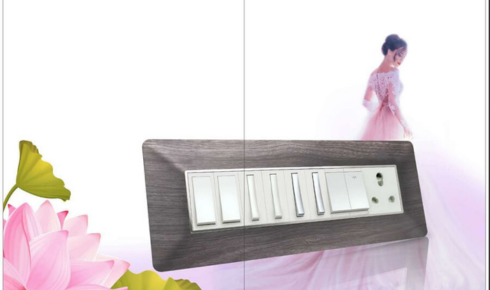
  • Style Meets Simplicity: Modern traditional switches aren’t just white plastic boxes anymore. You can find them in brushed metals, matte finishes, and wood textures to match your furniture.
  • Ambient Control: Adding a dimmer switch to your traditional setup is one of the easiest ways to change a room’s mood. Soft light for a movie night or bright light for reading—all with a simple turn of a dial.
  • Organized Spaces: A well-designed switchboard keeps everything in one place, reducing “wall clutter” and making it easy for guests to find the right button.

2. Smart Home Switches: The Future at Your Fingertips

If you’ve ever sat down for a movie only to realize the kitchen light is still on, you’ll understand the magic of smart home switches. These are the ultimate upgrade for a busy, modern lifestyle.

  • Control from Anywhere: Whether you’re snuggled on the sofa or halfway across the world on vacation, you can check and control your lights using an app on your phone.
  • “Hey Google, Goodnight”: Smart switches connect to your voice assistants. You can turn off every light in the house with a single sentence before you drift off to sleep.
  • Smarter Schedules: You can program your porch lights to turn on exactly at sunset or ensure the kids’ bedroom lights dim slowly at bedtime.

3. Making the Choice: What’s Best for You?

Deciding between traditional and smart isn’t an “all or nothing” choice. Many homeowners mix both!

  • Go Traditional if: You want a straightforward, budget-friendly setup that anyone can use without an app.
  • Go Smart if: You love convenience, want to monitor your energy use, or enjoy the “wow factor” of a connected home.

Conclusion

When you’re choosing the hardware that will live in your walls for the next decade, you want a brand that understands both engineering and elegance. Legrand has mastered this balance.

Their switches don’t just feel “sturdy”—they are designed to be part of your home’s aesthetic. From the crisp, tactile response of their traditional toggles to the seamless, high-tech integration of their smart range, Legrand focuses on the user experience. Plus, their energy-efficient designs help you keep your carbon footprint (and your electricity bill) a little smaller.

When You Finally Start Thinking About Your Water: Why Modern Home Treatment Matters More Than You Realize

0

Most people don’t wake up one morning suddenly obsessed with water quality. It usually starts with something small — a strange taste in a glass of tap water, stubborn white spots on dishes, or maybe dry skin after showers that lotion never quite fixes.

At first, these things seem unrelated. You blame detergent, the dishwasher, maybe even the weather. But eventually, a pattern emerges. You start to wonder if the issue isn’t your habits or appliances at all — it’s the water flowing through your home.

And that’s the moment many homeowners begin to discover just how much water quality quietly influences everyday living.


Why Water Quality Isn’t the Same Everywhere

Even though municipal water systems follow strict safety standards, water doesn’t arrive at your home in a perfectly controlled environment.

It travels through miles of pipes, storage systems, and local plumbing infrastructure. Along the way, it can pick up minerals, sediments, and trace chemical residues.

These elements may not pose immediate health risks, but they can affect how water tastes, smells, and interacts with household systems.

This is why homeowners increasingly turn to professional guidance from water treatment experts who can assess specific water conditions and recommend targeted solutions.

Because water issues are rarely one-size-fits-all.


Understanding the Hidden Effects of Untreated Water

Untreated or minimally treated water can create subtle but persistent challenges inside a home.

Mineral buildup can reduce appliance efficiency. Chemical residues can influence taste and odor. Sediment particles may clog fixtures and affect water clarity.

Over time, these issues add up, creating frustration and increasing maintenance costs.

Addressing them requires more than quick fixes — it requires a comprehensive understanding of water chemistry and household usage patterns.

That’s where modern treatment technologies come into play.


How Modern Systems Transform Daily Living

Today’s home water systems are designed to address multiple concerns simultaneously.

Softening units remove hardness minerals to prevent scale buildup. Filtration systems capture sediments and chemical residues. Advanced purification technologies eliminate microscopic impurities from drinking water.

Together, these solutions create balanced water that supports every aspect of daily life — from cooking and cleaning to bathing and hydration.

Once installed, homeowners often notice immediate improvements in comfort and efficiency.


The Everyday Benefits You Might Not Expect

Improved water quality influences daily routines in subtle but meaningful ways.

Laundry becomes softer and retains color longer. Dishes come out clearer after washing. Cleaning surfaces requires less effort because mineral residues are reduced.

Even personal care routines change. Many people report smoother skin and healthier hair once harsh mineral content is removed.

These small improvements accumulate into a more comfortable and enjoyable home environment.


Why Professional Guidance Makes a Difference

Choosing the right treatment system can be complex. Different regions face different water challenges — hardness levels, sediment content, chemical residues, or environmental contaminants.

Without proper analysis, homeowners may invest in solutions that don’t fully address their specific needs.

Professional assessments help identify precise issues and recommend tailored treatment approaches.

This targeted strategy ensures optimal performance and avoids unnecessary expenses.


The Long-Term Value of Treated Water

Water treatment isn’t just about immediate comfort — it’s also a long-term investment.

By reducing mineral buildup and chemical exposure, treatment systems help protect plumbing infrastructure and extend appliance lifespan.

Water heaters operate more efficiently, dishwashers require fewer repairs, and washing machines maintain consistent performance.

Over time, these benefits translate into lower maintenance costs and improved household efficiency.


The Importance of Consistency in Water Quality

One of the most valuable advantages of treatment systems is reliability.

Without filtration, water quality can fluctuate due to seasonal changes, infrastructure maintenance, or environmental factors.

Consistent treatment ensures that every tap delivers balanced, predictable water year-round.

This reliability simplifies daily routines and eliminates guesswork.


Supporting Health and Well-Being

Access to healthy water is essential for overall well-being.

Clean, balanced water supports hydration, improves cooking results, and reduces exposure to unwanted contaminants.

It also enhances hygiene by ensuring that bathing and cleaning routines use water that is gentle and effective.

For families, this assurance provides both practical and emotional benefits.


The Emotional Comfort of Trusting Your Water

There’s a psychological dimension to water quality that often goes unnoticed.

When homeowners trust their water supply, they feel more comfortable using it freely. They no longer hesitate before filling a glass, washing produce, or running multiple appliances simultaneously.

This confidence reduces background stress and contributes to overall peace of mind.

Over time, it becomes part of what makes a home feel stable and secure.


Small Changes That Lead to Lasting Results

Improving water quality doesn’t require dramatic lifestyle changes.

Many homeowners begin with simple assessments and targeted upgrades that integrate seamlessly with existing plumbing systems.

Once installed, treatment solutions operate quietly in the background, delivering continuous benefits without demanding attention.

These small improvements gradually transform daily living.


A Home That Supports Everyday Life

At its core, a home should do more than provide shelter. It should actively support comfort, health, and efficiency.

Clean, balanced water plays a fundamental role in achieving this goal.

By investing in effective treatment solutions, homeowners create living spaces that feel smoother, more reliable, and easier to manage.


The Quiet Transformation of Better Water

Perhaps the most remarkable aspect of modern water treatment is how unobtrusive it is.

Once in place, these systems simply work — improving performance without disrupting daily routines.

And in the end, that quiet reliability is what makes them so valuable.

Because when your home’s water finally feels clean, balanced, and dependable, it doesn’t just improve what flows from your tap — it transforms everyday living, making routines healthier, more comfortable, and far less complicated over time.