Most of us have a familiar routine when it comes to water. We fill a glass before breakfast, turn on the shower, boil water for tea, and get on with the day without giving much thought to what’s flowing through the pipes. It’s only when something changes that we start paying attention. Perhaps the water tastes different, white marks keep appearing around the taps, or the kettle seems to collect mineral deposits overnight.
These small frustrations can be signs that your household water needs a closer look. In some cases, a simple filter can help. In others, the problem may require more specialized treatment. The important thing is to understand your water before deciding what to do about it.
Why Every Home Has Different Water Needs
Water quality can vary considerably from one property to another, even within the same neighborhood. Some households receive treated municipal water, while others rely on private wells or borewells. The source, local geology, plumbing materials, and existing treatment processes can all influence what comes out of the tap.
For example, a home supplied by mineral-rich groundwater may experience hard water and scale buildup. Another household might notice a chlorine-like smell because of disinfectants used during municipal treatment. Older plumbing can introduce additional concerns, particularly if corrosion affects pipes or fittings.
This is where residential water treatment solutions become useful. Depending on the problem, a household may benefit from sediment filtration, activated carbon, water softening, reverse osmosis, or another targeted treatment method.
But more equipment doesn’t automatically mean better water. A household dealing mainly with hardness doesn’t necessarily need the same setup as one concerned about a specific dissolved contaminant. Identifying the problem first helps prevent unnecessary purchases and makes it easier to choose a system that genuinely improves everyday life.
The Signs That Your Water May Need Attention
Water doesn’t always announce a problem clearly. Sometimes, the clues appear gradually, and you may get used to them without realizing how much extra work they create.
White, chalky deposits around faucets and showerheads often indicate hardness minerals. Soap that struggles to lather and glassware that looks cloudy after washing can point in the same direction. A metallic taste, orange staining, or persistent odor may suggest different issues that deserve further investigation.
It’s worth remembering that appearance and taste alone cannot establish whether water is safe to drink. Clear water can contain contaminants that aren’t visible, while harmless minerals can affect taste or leave stains.
If you rely on a private well, regular testing is particularly important. Testing should reflect local risks and may include microorganisms, nitrates, metals, and other relevant substances. Municipal water customers can review available water quality reports and arrange additional testing if they suspect a problem within their own plumbing.
When a sudden change occurs, don’t simply assume a filter will fix it. Contact your water supplier or a qualified professional if necessary, especially when the water becomes unusually discolored or develops a strong, unexplained odor.
Why Water Quality Matters in Everyday Life
It’s easy to think of water treatment as something reserved for serious contamination problems. In reality, improvements can also make ordinary household tasks more convenient.
When water quality matters, the goal isn’t always to remove every dissolved substance. Sometimes, it’s about reducing scale that affects a water heater, improving the taste of drinking water, or addressing a specific contaminant identified through testing.
Hard water, for instance, can contribute to mineral deposits inside appliances and heating equipment. A suitable softener may help reduce those deposits and make cleaning easier. Activated carbon filtration can improve taste and odor while reducing certain chemicals, depending on the filter’s certified capabilities.
There are limits, of course. A softener doesn’t disinfect water, and a standard carbon filter won’t necessarily remove dissolved salts or heavy metals. Each treatment technology has a particular purpose.
This distinction is important because household water problems can overlap. If water is both hard and contaminated with a substance that requires specialized treatment, one device may not be enough. A proper assessment helps establish which issues need attention and in what order.
Finding the Right Drinking Water System
For many households, the kitchen tap is the first place they consider improving. It’s where water is used for drinking, preparing meals, making tea, and filling reusable bottles. A suitable filtration system can provide a convenient alternative to repeatedly purchasing bottled water.
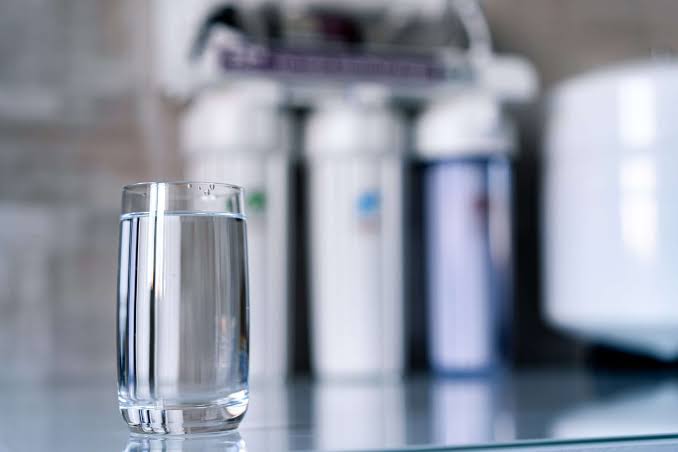
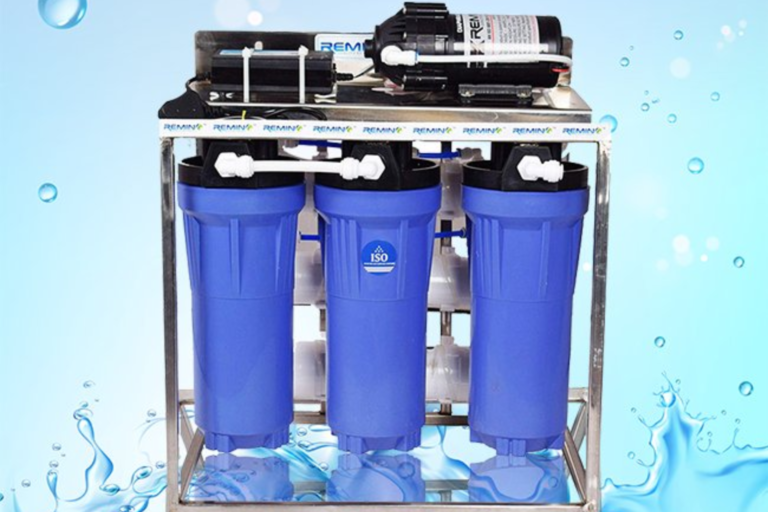
Different drinking water systems offer different levels of treatment. Simple pitcher filters and faucet-mounted units may improve taste and reduce selected contaminants. Under-sink carbon filters provide another option, while reverse osmosis systems can reduce many dissolved substances through a semipermeable membrane.
The right choice depends on your water test results and what you want the equipment to accomplish.
If taste and odor are the main concerns, a certified carbon filter may be sufficient. If testing identifies a particular contaminant, look for a system specifically certified to reduce it. Reverse osmosis may be appropriate in some situations, but it can produce wastewater and requires periodic filter and membrane replacement.
Before purchasing, check the manufacturer’s performance claims rather than relying on broad phrases such as “purifies everything.” No household system removes every possible contaminant under all conditions.
Also consider the practical details. Will the system fit beneath your sink? Are replacement filters readily available? How often will they need changing? A reliable filter that’s maintained properly is far more useful than an advanced model that becomes neglected after installation.
Whole-House Treatment or Filtration at One Tap?
Another important decision is where treatment should take place.
A point-of-use system treats water at a particular location, such as the kitchen sink. This can be a cost-effective choice when the main concern involves drinking and cooking water.
A whole-house system treats water as it enters the property, helping address issues that affect several taps or appliances. Depending on the incoming water, it may include sediment filters, carbon filtration, or a softener.
Neither approach is automatically better. A household concerned about one specific drinking water contaminant may not need whole-house treatment. On the other hand, widespread sediment or hardness problems may justify treating water at the entry point.
Installation costs, water pressure, household demand, and maintenance requirements should all be part of the decision. If several treatment stages are necessary, professional guidance can help ensure that the system is correctly sized and installed.
Keeping Your System Working Properly
Water treatment doesn’t end when the installer leaves. Filters collect particles, membranes gradually lose performance, and other components need regular attention. Ignoring maintenance can reduce effectiveness and sometimes lead to poor water quality.
Follow the manufacturer’s replacement schedule, keep records of servicing, and pay attention to changes in taste, flow, or odor. Don’t wait for a filter to look dirty before replacing it, since many contaminants cannot be seen.
It’s also sensible to retest water periodically when appropriate, especially for private wells or properties with known water quality concerns. A treatment system should be checked against the problem it was installed to solve.
When comparing equipment, include the long-term cost of replacement parts, servicing, and operation. The cheapest purchase price isn’t always the most economical choice over several years.
Making a Confident Choice for Your Home
Choosing household water treatment doesn’t need to become a complicated project. Start by understanding your water source, identify the issues that matter most, and use reliable testing to guide your decision.
From a simple drinking water filter to a more comprehensive treatment system, the right equipment should solve a real problem without creating unnecessary expense or maintenance.
Ultimately, better water begins with better information. When you know what’s coming through your taps, you can make practical decisions that suit your household, protect your plumbing, and support your daily routines. It’s a small investment in understanding something you use every single day, and that makes it well worth the effort.