Water is one of those things most of us don’t think about until something feels off. Maybe your coffee tastes a little bitter, your shower leaves your skin feeling dry, or white spots keep showing up on your dishes no matter how carefully you wash them. These small frustrations often become part of everyday life, but they can also be signs that your home’s water deserves a closer look.
Every house has its own story. The age of the plumbing, the local water supply, nearby geology, and even seasonal changes can all influence the quality of the water flowing from your taps. That’s why there isn’t a universal fix. The smartest approach is understanding what you’re working with before investing in equipment or changing your routine.
Understanding What Comes Out of Your Tap
Many homeowners assume that if their water looks clear, it’s perfectly fine. In reality, appearance tells only part of the story. Minerals, chlorine, sediment, and other naturally occurring substances can affect water without changing its color at all.
Hard water, for example, isn’t usually dangerous to drink, but it can slowly take a toll on appliances, pipes, and fixtures. Water heaters may become less efficient, washing machines can wear out faster, and soap simply doesn’t perform the way it’s supposed to. Little by little, these hidden issues become expensive repairs.
Then there are taste and odor concerns. A slight metallic flavor or a chlorine smell may not seem like a major problem, but they often make people avoid drinking tap water altogether, leading to unnecessary spending on bottled water.
Every Home Has Different Needs
One mistake people often make is buying the first filtration system they see online. It might work brilliantly for one family but accomplish very little for another.
Homes connected to municipal water often deal with chlorine or disinfectant byproducts, while properties using private wells may experience higher levels of minerals, iron, sulfur, or sediment. Even neighboring houses can have noticeably different water characteristics because of plumbing differences.
That’s why experienced providers of southern water solutions typically recommend evaluating the water itself instead of guessing. Understanding the specific challenges first makes every decision afterward much simpler—and usually more affordable.
Why Testing Comes Before Treatment
Think of it like visiting a doctor. You wouldn’t expect a prescription before any examination, and your home’s water deserves the same thoughtful process.
A proper free water test helps identify what’s actually present in your supply. Instead of relying on assumptions, homeowners receive information about hardness, mineral content, chlorine levels, and other important factors that influence both water quality and household performance.
Sometimes the results reveal only minor issues that require a simple filter. Other times, they uncover conditions that call for more comprehensive improvements. Either way, making decisions based on facts rather than marketing claims saves money in the long run.
There’s also peace of mind in knowing exactly what your family is using every single day—for cooking, bathing, cleaning, and drinking.
Looking Beyond Drinking Water
It’s easy to focus only on the kitchen faucet because that’s where we get our drinking water. But the truth is, water touches almost every part of daily life.
Showers, laundry, dishwashing, gardening, and even household cleaning all depend on water quality. Hard water leaves mineral deposits on glass, dulls clothing colors, and reduces the effectiveness of soaps and detergents.
Many people are surprised to discover that improving water throughout the home often leads to softer towels, shinier dishes, cleaner bathrooms, and fewer maintenance headaches. Even simple things like taking a shower can feel noticeably different when excess minerals are removed.
These aren’t dramatic lifestyle changes. They’re quiet improvements that simply make everyday routines a little easier.
Choosing Long-Term Value Instead of Quick Fixes
Home improvement products are full of big promises, especially when it comes to water filtration. Some advertisements suggest a single filter solves every possible issue, while others overwhelm homeowners with complicated technical language.
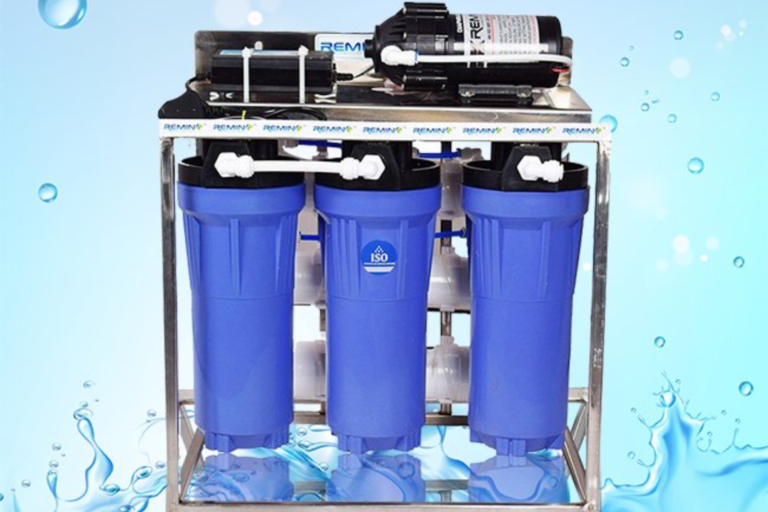
The better approach is focusing on practical water treatment solutions designed for your home’s actual conditions rather than purchasing equipment based on popularity alone.
Quality systems should balance effectiveness, maintenance requirements, operating costs, and future reliability. A solution that requires constant servicing or expensive replacement parts may not be the best investment, even if it looks impressive on paper.
Reliable water treatment isn’t really about buying the most expensive equipment. It’s’s about matching the right technology to the right problem.
Small Changes That Make a Big Difference
Improving water quality doesn’t always require a complete plumbing overhaul. Sometimes relatively modest upgrades create surprisingly noticeable results.
Replacing outdated filters on schedule, installing targeted filtration where it’s needed most, maintaining water softeners properly, and monitoring water quality periodically can all extend the life of household appliances while improving comfort.
Families often notice that soap lathers better, cleaning becomes easier, and glasses come out of the dishwasher without stubborn spots. These are the kinds of everyday improvements that rarely make headlines but definitely make life more pleasant.
It’s funny how quickly people stop thinking about water once everything starts working the way it should.
Investing in Your Home’s Future
Water systems aren’t just about convenience—they’re part of protecting one of your biggest investments.
Mineral buildup can shorten the lifespan of water heaters, plumbing fixtures, dishwashers, coffee makers, washing machines, and ice makers. Over several years, replacing or repairing these appliances can cost far more than addressing the underlying water issues in the first place.
Good water quality also contributes to better efficiency. Appliances don’t have to work as hard when scale buildup is minimized, which may help reduce maintenance needs over time.
Like regular roof inspections or HVAC servicing, paying attention to your home’s water is simply another form of preventive care.
A Better Experience Starts With Better Water
At the end of the day, clean, dependable water isn’t about fancy equipment or impressive specifications. It’s about making everyday life just a little better.
Whether you’re filling a glass from the kitchen sink, washing fresh vegetables for dinner, running a load of laundry, or taking a relaxing shower after a long day, the quality of your water quietly shapes those experiences.
The best decisions usually begin with understanding your home’s unique needs instead of chasing one-size-fits-all answers. Once you know what’s in your water, finding the right solution becomes much less complicated.
Water may seem ordinary because it’s always there. But when it’s cleaner, softer, and better suited to your home, you notice the difference in countless small moments—and sometimes, those little improvements are the ones that matter most.