Water is part of nearly every routine at home. We use it to shower before work, wash dishes after dinner, do laundry on the weekend, and make that first cup of tea in the morning. Most of the time, we don’t give it much thought. But when the water starts leaving white marks on faucets, soap refuses to rinse away properly, or freshly washed clothes feel rough, it’s hard not to notice.
These small frustrations are often associated with hard water. While hard water is common in many areas, its effects can vary depending on the mineral content of the supply and how much water a household uses. The good news is that understanding the cause makes it easier to find a practical solution. Sometimes, a few changes to cleaning habits are enough. In other homes, a treatment system can make daily life noticeably easier.
What Makes Water Hard?
Hard water contains dissolved minerals, primarily calcium and magnesium. These minerals enter the water as it moves through soil and rock, eventually reaching groundwater supplies or other sources used by communities. Their presence doesn’t automatically make water unsafe to drink, but it can change how water behaves around the house.
You may notice a chalky ring around a faucet, cloudy glassware straight out of the dishwasher, or a showerhead with tiny blocked openings. Soap can also react with hardness minerals, leaving residue on bathroom surfaces and making it harder to get the clean rinse you’re used to.
The effects aren’t always dramatic. Sometimes, it’s simply a little extra scrubbing every week or a growing collection of cleaning products under the sink. Over time, though, those minor inconveniences can become part of an irritating routine.
These familiar hard water problems are worth investigating when they keep returning despite regular cleaning. A water hardness test can help establish whether calcium and magnesium are responsible, rather than guessing based on stains or soap performance alone.
Why Hard Water Can Affect Everyday Living
One of the first places homeowners notice a difference is the bathroom. Mineral deposits may accumulate on shower doors, faucets, and tiles, making surfaces look dull even after cleaning. Soap and shampoo may not rinse away as easily, leaving some people feeling as though their skin or hair still has a slight coating.
Laundry can be affected, too. Hard water may reduce the effectiveness of some detergents and contribute to mineral residue on fabrics. Towels can feel less fluffy, and white clothing may gradually appear dull if washing conditions aren’t well suited to the water.
The kitchen tells its own story. Spots on glasses and cutlery are common complaints, particularly when dishes are left to air-dry. Coffee makers, kettles, and other appliances that heat water may also develop scale over time.
Then there’s the plumbing and equipment that you rarely see. In some conditions, mineral deposits can build up inside water heaters and other water-using appliances. Scale may reduce heat-transfer efficiency or contribute to maintenance needs, depending on the equipment and severity of the buildup.
None of this means every home with hard water will experience serious damage. The point is to recognize persistent signs and decide whether treatment would offer enough benefit to justify the cost.
How Water Softeners Work
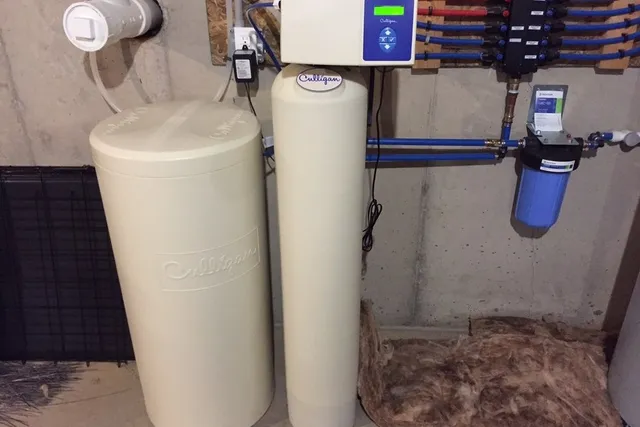
For households dealing with significant hardness, water softeners are a common treatment option. Many conventional models use a process called ion exchange. Inside the unit is a resin that attracts calcium and magnesium ions as water passes through it. The resin exchanges those hardness minerals for sodium or, in some systems, potassium ions.
Eventually, the resin needs to be regenerated so it can continue working. In a typical salt-based system, this involves a brine solution that flushes accumulated minerals from the resin. The unit then returns to service, ready to treat more water.
That process may sound technical, but day-to-day operation is usually straightforward. Homeowners generally need to keep the salt supply at the recommended level, check the equipment periodically, and arrange maintenance when required.
It’s important to understand what a softener does and doesn’t do. Its primary job is to reduce hardness minerals. It isn’t designed to remove every possible contaminant, and it shouldn’t be treated as a substitute for appropriate water testing or disinfection when those are needed.
Finding the Right System for Your Home
Not every household needs the same equipment. A small family with moderate water use has different requirements from a busy household with several bathrooms and frequent laundry loads. Water hardness also varies, so choosing equipment based on a neighbor’s recommendation may not produce the same results.
Well-sized water softener systems are selected by considering the hardness level, daily water consumption, peak demand, and the amount of treatment capacity required between regeneration cycles. A professional assessment can help determine an appropriate size and configuration.
It’s also worth considering the space available for installation. A conventional system usually needs room for the treatment tank and brine tank, along with access for maintenance. Drainage and plumbing connections must be suitable, and the equipment should be installed according to the manufacturer’s instructions and applicable local requirements.
Before making a purchase, ask about the total cost of ownership. The initial price is only one part of the calculation. Salt, water used during regeneration, replacement parts, and occasional service can all contribute to long-term expenses. A system that appears inexpensive at first may not be the most economical option over several years.
Salt-Free Alternatives and Other Treatment Options
Salt-free conditioners are sometimes marketed as an alternative to traditional softeners. Depending on the technology, they may change how hardness minerals form scale or attach to surfaces, but they generally do not remove calcium and magnesium from the water in the same way as ion-exchange softeners.
That distinction matters. If your main concern is scale buildup in pipes or equipment, a suitable conditioning technology may be worth investigating. If you want to reduce measured water hardness, however, you’ll need to understand exactly what the chosen system is capable of doing.
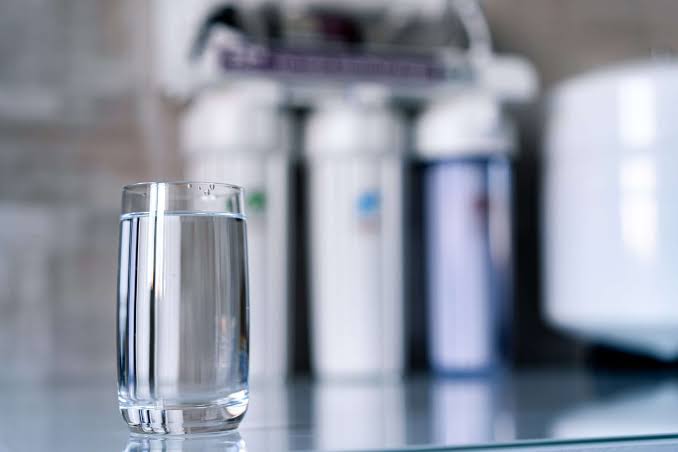
Other filters may be useful for separate concerns, such as sediment, chlorine taste, or specific dissolved substances. A drinking-water filter can complement a softener, but the two devices serve different purposes.
The sensible approach is to identify the issue first, then compare treatment options based on their actual performance rather than attractive marketing claims.
Keeping Your Equipment in Good Shape
Once a system is installed, regular care helps it perform as intended. Check salt levels according to the manufacturer’s recommendations, avoid letting the brine tank become unexpectedly empty, and pay attention to changes in water quality or system behavior.
If water suddenly begins leaving scale deposits again, don’t immediately assume the equipment has failed. The unit may need salt, the settings may require adjustment, or a component may need inspection. A technician can help determine the cause if basic checks don’t resolve the issue.
It’s also wise to keep the installation manual and service records. Knowing when the system was installed, serviced, or adjusted makes future troubleshooting easier and helps prevent maintenance from becoming guesswork.
Remember that softened water and safe drinking water aren’t interchangeable concepts. If your water comes from a private well, follow local guidance for regular testing. If testing identifies contaminants beyond hardness minerals, the treatment plan should address those specific findings.
Making the Decision with Confidence
Living with hard water doesn’t have to mean accepting endless spots, soap residue, and extra cleaning. At the same time, buying treatment equipment without understanding the problem can waste money and create unnecessary maintenance.
Start with a water test, consider the problems that matter most to your household, and compare solutions that suit your water supply and budget. Ask clear questions about performance, operating costs, installation, and service before making a decision.
The best system isn’t necessarily the biggest or most expensive one. It’s the one that addresses your actual needs and remains practical to maintain. With the right information and a little planning, improving your home’s water can become a sensible long-term investment rather than another household chore.