It’s funny how quickly we get used to the little things around the house. The white marks on the shower glass become part of the background. The kettle gets another quick scrub. Towels feel a bit rough after washing, so we add more fabric softener and carry on. None of these things seems like a major problem on its own, but after a while, you might start wondering whether your water has something to do with it.
Sometimes it does. Water contains naturally occurring minerals and may also have characteristics influenced by treatment processes, plumbing, or the source itself. Understanding those differences can help you make practical changes without spending money on equipment you don’t actually need.
The Everyday Clues That Are Easy to Miss
Water-related problems don’t always announce themselves dramatically. More often, they show up as small annoyances that gradually become part of a household routine.
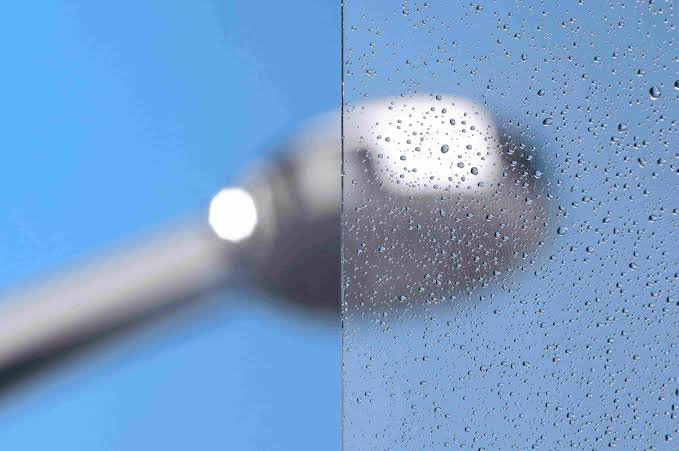
If you regularly notice spots stains on glass, for example, hard water may be worth investigating. Calcium and magnesium can remain on surfaces when water evaporates, leaving visible marks on shower doors, drinking glasses, and faucets. Cleaning products may help temporarily, but the deposits can return if the underlying water conditions remain unchanged.
Hard water can also affect cleaning. Soap may not lather as easily, and mineral deposits can collect around showerheads or inside water-heating equipment. These effects vary depending on the water’s hardness, temperature, and how frequently the fixtures are used.
Other clues point in different directions. Orange or reddish marks can sometimes be associated with iron, while cloudy water may contain suspended particles. A persistent odor might have several possible causes, including certain dissolved compounds or plumbing conditions.
The important thing is not to jump to conclusions. These signs can help you decide what to investigate, but appearance and taste alone cannot identify every substance in the water.
Could Your Water Be Affecting Your Skin and Hair?
Many people notice a difference in how their skin and hair feel after showering. Hair may seem difficult to rinse, the scalp might feel uncomfortable, or skin may feel tight after a long shower. It’s natural to look for a connection with water, particularly when these experiences happen repeatedly.
Hard water can leave mineral deposits on surfaces, and some people report that it makes hair feel less manageable or skin feel drier. However, the relationship isn’t the same for everyone. Skin conditions, weather, hot showers, soaps, shampoos, and personal sensitivity can all contribute to dryness or irritation.
For households concerned about dry damaged hair & skin, checking the water’s hardness may be one useful step, especially when other signs of mineral buildup are present. A water test can establish whether hardness is actually an issue and help determine whether treatment is worth considering.
A conventional water softener reduces calcium and magnesium through ion exchange. Some households find that softened water makes rinsing and cleaning easier, although results vary. It shouldn’t be viewed as a medical treatment, and persistent itching, rashes, or hair loss deserve advice from a qualified healthcare professional rather than relying on water treatment alone.
It’s also worth trying a few simple changes before investing in equipment. Avoid excessively hot showers, choose gentle cleansing products, and rinse thoroughly. If symptoms continue, consider both the water conditions and other possible causes.
When the Water Doesn’t Taste or Smell Quite Right
Taste is often the first thing people notice when filling a glass from the kitchen tap. Perhaps there’s a swimming-pool-like flavor, a metallic note, or an odor that wasn’t there before. Even if the water looks clear, an unfamiliar smell can make people reluctant to drink it.
Several factors can influence water taste & odor. Chlorine used in municipal water treatment can create a noticeable taste or smell. Certain naturally occurring compounds may produce other odors, while iron, plumbing materials, or changes in the water source can affect taste. Each possibility requires a different approach.
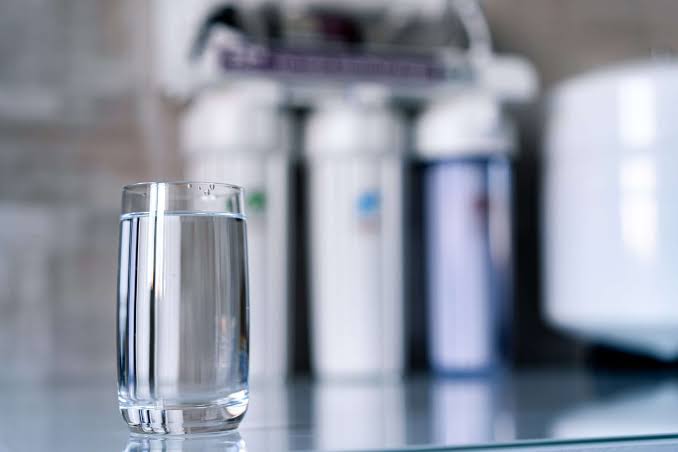
Activated carbon filters can reduce chlorine taste and certain odors when the specific product is designed and certified for that purpose. But not every carbon filter removes the same substances, and a filter intended to improve taste shouldn’t automatically be considered protection against every contaminant.
If the change is sudden or pronounced, investigate before simply installing a filter. Contact your water supplier if you’re on a municipal system, or arrange appropriate testing if you use a private well. If you suspect contamination, follow guidance from your local water authority or health department and use an appropriate alternative water source when advised.
Testing Helps You Avoid Guesswork
It’s tempting to buy a popular filter after reading a few reviews or hearing what worked for a neighbour. That approach can sometimes help, but it isn’t particularly reliable. Two homes on the same street may have different plumbing conditions, and a solution for hard water won’t necessarily address a chlorine taste or a microbiological concern.
A suitable water test gives you a clearer starting point. Depending on your source and the symptoms, testing may examine hardness, pH, iron, dissolved solids, bacteria, or specific contaminants. Municipal water customers can also review the supplier’s published water-quality report, although it may not reveal issues originating within an individual home’s plumbing.
Private well owners generally need more tailored testing because water conditions can vary with local geology, rainfall, flooding, and nearby land use. Health-related concerns may require analysis by a certified laboratory.
Once you have the results, ask a qualified water professional to explain what they mean. A basic hardness test doesn’t establish whether water is safe from every contaminant, and one piece of equipment rarely solves every possible issue. Good recommendations should be based on measurable findings, not pressure to buy immediately.
Choosing a Treatment That Fits Your Home
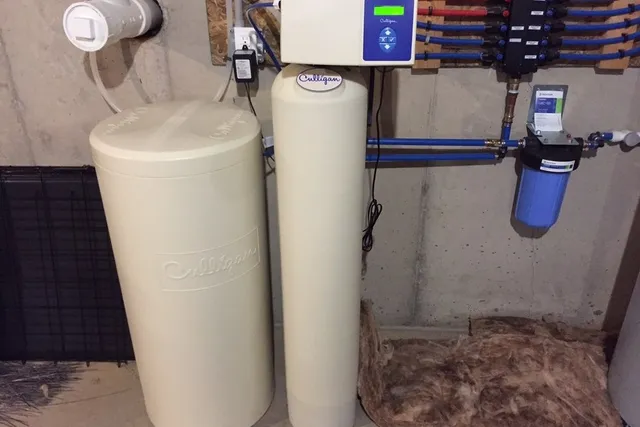
Different technologies serve different purposes. Sediment filters capture particles, activated carbon can reduce selected tastes and odors, water softeners address hardness minerals, and reverse osmosis systems can reduce a range of dissolved substances when properly selected.
Some homes benefit from a whole-house system, particularly when the concern affects multiple fixtures or appliances. Others may need only a drinking-water filter beneath the kitchen sink. The right choice depends on the test results, household demand, installation space, and ongoing maintenance requirements.
Before committing, ask about installation costs, replacement parts, service intervals, and expected performance. Check independent certifications where relevant, and make sure the system is designed for the substances you want to reduce.
Maintenance matters, too. Filters have a limited service life, softeners require routine attention, and reverse osmosis membranes need periodic replacement. Keeping track of service dates helps ensure the equipment continues to work as intended.
Make a Change for the Right Reasons
Water quality can affect everyday comfort, but solving a household problem doesn’t always require a complicated system. Sometimes the answer is a simple filter. In other cases, testing may reveal a reason to consider softening or a more targeted treatment method.
Start with what you’ve noticed, investigate the possible causes, and use reliable information to guide your decision. Don’t assume every stain means contamination or that every unpleasant taste requires an expensive purifier.
The best approach is a practical one: understand your water, choose equipment that addresses the actual concern, and maintain it properly. With a little attention and the right information, you can spend less time fighting recurring household annoyances and more time enjoying a home that works the way you want it to.