
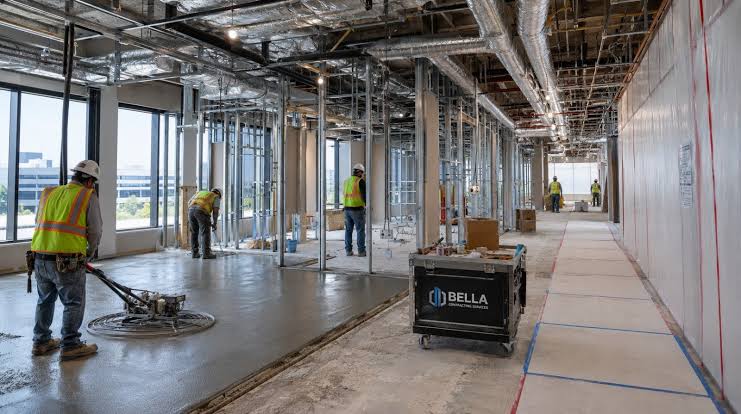
There’s something exciting about transforming an old property or watching a new building take shape. Fresh walls, thoughtfully designed rooms, and modern features can completely change how a space looks and feels. But behind those attractive finishes lies something equally important: the electrical system.
It’s easy to get caught up in choosing flooring, paint colours, and kitchen cabinets while overlooking electrical planning. Unfortunately, that oversight can lead to unnecessary expenses and practical inconveniences later.
Whether you’re updating a family home or developing a commercial property, investing in well-planned electrical work helps create a space that’s safe, functional, and ready for everyday use.
Giving Older Properties a Fresh Start
Renovating an older building often reveals surprises. Once walls come down, contractors may discover outdated wiring, inadequate electrical panels, or poorly positioned outlets that no longer suit modern living.
Electrical planning for remodels & renovations should begin well before the decorative work gets underway. It’s much easier to address wiring requirements while walls are open than to revisit them after everything has been beautifully finished.
Consider a kitchen renovation, for example. Adding modern appliances, pendant lighting, and additional countertop outlets might require electrical upgrades that weren’t initially considered.
Similarly, converting a spare bedroom into a home office could introduce new power and connectivity requirements.
A thoughtful electrical assessment helps identify these needs early, making the renovation process smoother and reducing the likelihood of expensive last-minute changes.
Getting Electrical Planning Right From the Beginning
Starting with an empty piece of land offers a wonderful opportunity to create a building that genuinely suits its intended purpose. Unlike renovation projects, there’s no existing electrical layout to work around.
For new construction ground-up projects, early coordination between electricians, architects, and building contractors can help ensure electrical infrastructure supports the overall design.
Decisions about panel capacity, lighting arrangements, outlet placement, and dedicated circuits should account for both immediate needs and potential future requirements.
Perhaps the homeowner plans to install an electric vehicle charger in a few years. A commercial property might eventually accommodate additional equipment or expanded office facilities.
Thinking about these possibilities during construction can prevent unnecessary modifications later.
It’s not about installing every imaginable feature. It’s about leaving enough flexibility for the building to evolve alongside the people using it.
Why Experienced Electricians Make a Difference
Electrical work requires considerably more attention than simply connecting wires and installing switches. Different buildings have different power requirements, safety considerations, and operational demands.
Experienced commercial and residential electricians understand how to approach these variations while helping property owners make practical decisions about their electrical systems.
Residential projects often prioritise household comfort, appliance requirements, convenient lighting, and safety. Commercial environments may require more extensive power distribution, emergency lighting, equipment connections, and careful coordination around business operations.
Professional communication matters just as much as technical ability. A dependable electrician should explain recommendations clearly, discuss potential limitations, and help clients understand the work involved.
Nobody wants to feel completely lost when discussing an important part of their property’s construction.
Creating Lighting That Works With the Space
Lighting can make an enormous difference to how a room feels. Yet it’s sometimes treated as an afterthought during construction and renovation.
A kitchen needs sufficient lighting for food preparation, while a living room might benefit from softer, adjustable illumination. Office spaces generally require comfortable lighting that supports concentration without creating unnecessary glare.
Outdoor lighting deserves consideration, too. Properly positioned fixtures can improve visibility around entrances, walkways, and parking areas.
Energy-efficient LED lighting and compatible controls offer additional opportunities to manage electricity consumption.
The trick is finding a balance between appearance and practicality. A beautiful light fixture isn’t particularly useful if it leaves the surrounding workspace in shadow.
Planning lighting alongside furniture arrangements and room functions usually produces better results.
Preparing Buildings for Modern Electrical Demands
Today’s properties rely on considerably more electrical equipment than buildings constructed several decades ago.
Smart appliances, security systems, home automation, electric vehicle chargers, and advanced heating and cooling equipment can all influence electrical demand.
Older properties may require panel upgrades or additional circuits to accommodate these technologies safely. New buildings, meanwhile, offer an opportunity to incorporate suitable infrastructure from the outset.
Business owners should also consider future operational growth. Adding machinery or expanding a workspace could increase power requirements significantly.
Having an appropriately designed electrical system provides greater flexibility and reduces the need for disruptive upgrades down the road.
Electrical Safety Should Never Be an Afterthought
Construction budgets can become stretched surprisingly quickly. When that happens, cutting corners on work hidden behind walls might seem tempting.
Electrical safety, however, isn’t an area where compromises are worth making.
Hiring properly licensed professionals, using suitable materials, and obtaining necessary permits and inspections can help protect both the building and its occupants.
Grounding, circuit protection, load calculations, and appropriate wiring are essential considerations that deserve professional attention.
If you’re renovating an older property, take unusual electrical behaviour seriously. Frequently tripping breakers, buzzing outlets, and unexplained flickering lights warrant investigation.
Addressing these issues during renovation is often more convenient than dealing with them after moving back into the property.
Building Spaces That Are Ready for Tomorrow
A successful construction or renovation project should deliver more than attractive interiors. It should create a space that feels comfortable, functions efficiently, and accommodates changing needs.
Thoughtful electrical planning contributes to all three.
From conveniently located outlets to dependable power distribution, seemingly small decisions can influence everyday life for years.
Take the time to discuss your requirements with qualified professionals, consider future possibilities, and prioritise safety throughout the project.
After all, beautiful buildings are wonderful to look at, but the ones people truly enjoy living and working in are those that function just as well as they look.