


Home Blog Page 5

Potters Bar Driveways – Enhance Your Home’s Curb Appeal with Touchstone Paving

0

Perhaps, one of the most efficient ways of making your house property look appealing and functional is to invest in an attractive and strong driveway. Be it in terms of aesthetics or in order to create accessibility for people, driveways in Potters Bar are there to help. With Touchstone Paving, you will find the finest driveways that are aesthetically beautiful, and, at the same time, robustly designed to match your expectations. Know more: https://touchstonepaving.co.uk/potters-bar/driveways

Why Choose a Professional Driveway Installation in Potters Bar?

A professionally installed driveway is just more than a parking space: it’s a welcoming path that shows off your home’s style. Potters Bar is a place with an extraordinary architectural diversity, and having your bespoke driveway complements that charm. Professional installation means longevity, weather resistance, and a perfect fit with your outdoor setting.

At Touchstone Paving, we utilize high-quality materials, such as block paving, resin-bound surfaces, and tarmac, to design driveways based on your preference. Using our expertise, you will enjoy the following:

Increased durability for extended performance.

Custom designs to complement your home’s aesthetic appeal.

Improved property value with a professional finish.

Types of Driveways to Consider

When designing your driveway, the material used must be able to support your property’s needs and style. Some of the available options include:

Block Paving Driveways
Block paving is versatile and pleasing to the eye. Its many colors and patterns can make intricate designs that are very outstanding. In addition, block paving is highly durable and easy to maintain.

Resin-Bound Driveways
Resin-bound surfaces are slick, modern-looking surfaces that offer a slip-resistant and environmental-friendly look. They come in a wide variety of colors, enabling you to have the ability to design the look for your driveway.

Tarmac Driveways
Tarmac is an economical choice if you want to have a smooth, functional-looking driveway. It is installed relatively fast and has great durability with low maintenance requirements.

Advantages of Replacing Your Driveway

A well-designed driveway is more than a convenience; it’s an investment in your home’s overall appeal and functionality. Here are the key benefits of upgrading your driveway with Touchstone Paving:

  • Increased Property Value: A high-quality driveway can significantly boost your home’s market value, making it an attractive option for potential buyers.
  • Better Accessibility: A smooth and spacious driveway ensures safe and easy access to your home, accommodating multiple vehicles effortlessly.

Low Maintenance: Modern materials like resin and tarmac are designed for easy upkeep, saving you time and money in the long run.

Improved Drainage: Our expert installation includes effective drainage systems to prevent water pooling and damage.

Why Choose Touchstone Paving?

At Touchstone Paving, we pride ourselves on delivering the finest driveway solutions to cater for the unique needs of the Potters Bar residents. Right from the initial consultation to final installation, we ensure every project is completed to the highest standard.

Our team of professionals is using the latest techniques and quality materials to design driveways that are not only attractive but also durable. We believe every house is unique, and therefore, we collaborate with our clients to bring their dreams into reality.

How to Get Started

Transforming your outdoor space with a new driveway is an easy process with Touchstone Paving. Here’s how you can get started:

Book a Consultation: Reach out to us to talk about your vision and needs.

Choose Your Design: Browse our collection of materials and designs that best suit your property.

Installation: Relax as our expert team brings your vision to life with care and precision.

A beautiful and long-lasting driveway from Touchstone Paving not only enhances the look of your home but also increases its functionality. Don’t wait to enhance your outdoor space. Let us create the perfect driveway for you.

Want to transform your property? Find more information on our website: https://touchstonepaving.co.uk/potters-bar/driveways.

7 Important Roles of a CX Solutions Provider for a Customer Experience Management Platform

0

Customer experience (CX) plays a pivotal role in a company’s success these days. A Customer Experience Management platform is indispensable for businesses aiming to build meaningful relationships with their customers. At the heart of these platforms lies the expertise of CX solutions providers, whose multifaceted roles ensure seamless customer journeys and enhanced satisfaction. Let’s delve into seven critical roles they perform.

1. Strategic Advisor

A CX solutions provider doesn’t just implement tools; they act as strategic advisors. By understanding a company’s vision and customer base, they craft bespoke strategies to optimize the customer journey. They align their solutions with business goals, ensuring that every interaction adds value. Their insight helps businesses stay ahead by adapting to changing customer preferences and industry trends.

2. Technology Integrator

One of the most vital roles of a CX solutions provider is seamlessly integrating a CXM platform into existing systems. This includes integrating customer relationship management (CRM) software, data analytics tools, and omnichannel communication systems. They ensure the platform operates without disruptions, providing a unified view of customer interactions across all touchpoints.

3. Data Analyst

Data is the lifeblood of effective customer experience management. CX solutions providers harness the power of big data to derive actionable insights. By analyzing customer behavior, preferences, and pain points, they empower businesses to make informed decisions. They also help set up real-time analytics dashboards, enabling companies to monitor trends and adjust their strategies accordingly.

4. Customer Journey Architect

CX solutions providers meticulously design and refine these journeys to eliminate friction points. They create a seamless flow from awareness to post-purchase engagement, ensuring customers enjoy a consistent and delightful experience. By identifying gaps or bottlenecks, they help businesses foster loyalty and trust.

5. Support and Training Partner

Deploying a CXM platform is not a one-time activity; it requires ongoing support and training. CX solutions providers ensure that businesses can use the platform to its fullest potential. They conduct training sessions, provide troubleshooting assistance, and regularly update the platform to incorporate new features and improvements.

6. Innovation Catalyst

Stagnation is the enemy of effective CX. CX solutions providers serve as innovation catalysts by staying at the forefront of technology and customer experience trends. They introduce businesses to cutting-edge tools like AI-driven chatbots, voice analytics, and predictive personalization. Their proactive approach keeps businesses competitive and ensures they exceed customer expectations.

7. Feedback Loop Creator

Customer feedback is crucial for improvement, and CX solutions providers play a key role in gathering and utilizing it. They design feedback mechanisms, such as surveys and sentiment analysis tools, that collect insights directly from customers. These insights are then used to refine CX strategies, ensuring the platform evolves alongside customer needs.

The Bottom Line

The roles of a CX solutions provider go far beyond technical implementation. They are architects, analysts, advisors, and innovators who drive businesses toward delivering superior customer experiences. By partnering with an expert CX solutions provider, businesses can transform their Customer Experience Management platforms into powerful tools that foster loyalty, boost satisfaction, and deliver measurable results.

Investing in the right CX solutions provider is not just a choice; it’s a necessity for any organization aiming to thrive in today’s customer-centric world.

Reliable Emergency Services by First2Install.co.uk: Plumbing, Gas, and Electrical Solutions Across Hertfordshire and South Cambridge

When an unexpected issue arises in your home or business, time is of the essence. A burst pipe, a gas leak, or a sudden electrical failure can disrupt your life and even pose safety hazards. That’s where First2Install.co.uk, your trusted local service provider, steps in. Offering comprehensive emergency services, including plumbing, gas engineering, and electrical repairs, we ensure that help is always just a phone call away.


Why Choose First2Install.co.uk for Emergency Services?

At First2Install.co.uk, we pride ourselves on providing fast, reliable, and professional assistance. Our expert team understands the urgency of emergencies, ensuring prompt responses for every call. Whether you’re in Hoddesdon, Biggleswade, or any other location across Hertfordshire and South Cambridge, we’re here to help.


Emergency Plumber Services Near You

Plumbing emergencies are among the most common issues homeowners face. A leaking pipe, blocked drain, or overflowing toilet can escalate quickly if not addressed. That’s why our emergency plumber Hoddesdon services are designed to respond swiftly, minimizing damage to your property.

Common Plumbing Emergencies We Handle:

  • Burst pipes during freezing weather
  • Blocked or overflowing drains
  • Faulty or leaking taps
  • Broken water heaters
  • Low water pressure

Whether you’re in Biggleswade or Roydon, our expert plumbers are equipped with advanced tools to diagnose and fix issues efficiently. With First2Install.co.uk, you can rest assured that your plumbing system will be restored to optimal condition in no time.


Emergency Gas Engineer: Keeping You Safe

Gas-related emergencies require immediate action due to the potential safety risks. A suspected gas leak or faulty boiler can endanger your household or business. Our emergency gas engineer Bishops Stortford team is on standby 24/7 to handle any gas-related problems.

Services Offered by Our Gas Engineers:

  • Gas leak detection and repair
  • Boiler breakdown repairs
  • Gas appliance servicing
  • Carbon monoxide safety checks
  • Emergency gas shut-offs

Serving areas such as Hertford, Stevenage, and beyond, our certified engineers ensure compliance with safety standards, keeping your home and loved ones secure.


Emergency Electrician: Rapid Solutions for Power Issues

Electrical emergencies can range from minor inconveniences, such as power outages, to severe hazards like exposed wiring or electrical fires. At First2Install.co.uk, our emergency electrician Welwyn Garden City services are tailored to resolve these issues promptly and safely.

Common Electrical Emergencies We Resolve:

  • Complete power outages
  • Tripping circuit breakers
  • Flickering lights
  • Burning smells from sockets
  • Faulty wiring or exposed cables

No matter if you’re in Letchworth or South Cambridge, our experienced electricians work swiftly to restore power and ensure the safety of your property.


Benefits of Choosing First2Install.co.uk

  1. 24/7 Availability
    Emergencies don’t wait for convenient times, and neither do we. Our team is available round the clock, ready to respond whenever you need assistance.
  2. Experienced Professionals
    All our plumbers, gas engineers, and electricians are highly trained, certified, and experienced in handling emergency situations.
  3. Local Service Across Hertfordshire and South Cambridge
    From Hoddesdon to Letchworth, we provide quick response times thanks to our extensive local coverage.
  4. Transparent Pricing
    We believe in upfront, honest pricing. With First2Install.co.uk, there are no hidden fees or surprises.
  5. Customer-Centric Approach
    Your safety and satisfaction are our priorities. We communicate clearly, ensuring you understand the work being done every step of the way.

What to Do in an Emergency

If you encounter a plumbing, gas, or electrical emergency, follow these steps to minimize risks until help arrives:

  1. Turn Off Utilities
    For plumbing issues, shut off the main water supply. In case of gas or electrical problems, turn off the gas supply or electrical mains if it’s safe to do so.
  2. Avoid DIY Repairs
    Attempting to fix emergencies yourself can be dangerous. Leave it to the experts at First2Install.co.uk.
  3. Call First2Install.co.uk
    Contact our team immediately. We’ll guide you on the next steps and dispatch a professional to your location promptly.

Emergency Call-Out Services Across Hertfordshire and South Cambridge

Our emergency call-out service ensures that help is never far away. With a single phone call, you can access skilled professionals for any urgent situation. We cover a wide range of locations, including:

  • Hoddesdon
  • Biggleswade
  • Roydon
  • Hertford
  • Bishops Stortford
  • Stevenage
  • Welwyn Garden City
  • Letchworth
  • South Cambridge

Wherever you are, First2Install.co.uk guarantees a quick response to restore normalcy to your home or business.


Preventative Maintenance: Avoid Future Emergencies

While emergencies can happen unexpectedly, routine maintenance can help reduce the risk. At First2Install.co.uk, we offer preventative services to keep your systems in top condition. Regular checks for your plumbing, gas, and electrical systems can save you time, money, and stress in the long run.

Maintenance Services We Offer:

  • Plumbing inspections and repairs
  • Boiler servicing and efficiency checks
  • Electrical safety inspections
  • Drain cleaning and blockage prevention

First2Install.co.uk: Trusted by Your Community

Our commitment to excellence and customer satisfaction has earned us a reputation as a trusted provider in Hertfordshire and South Cambridge. We take pride in being the go-to service for emergencies, with countless satisfied clients in Stevenage, Welwyn Garden City, and beyond.

Hear from Our Customers:

“The team at First2Install.co.uk were lifesavers when my boiler broke down in the middle of winter. Their emergency gas engineer arrived quickly and had everything fixed within hours. Highly recommend their services!” – Sarah, Bishops Stortford

“When a burst pipe flooded my kitchen, First2Install.co.uk responded immediately. The emergency plumber was professional, efficient, and got the job done fast. Fantastic service!” – John, Hertford


Contact First2Install.co.uk Today!

Emergencies demand immediate attention, and you can count on First2Install.co.uk to be there when you need us most. Whether you’re dealing with a plumbing disaster, gas leak, or electrical fault, our team of professionals is ready to assist.

Contact us now to learn more about our emergency call-out services in Hoddesdon, Biggleswade, Roydon, Hertford, Bishops Stortford, Stevenage, Welwyn Garden City, Letchworth, and South Cambridge. Visit our website at First2Install.co.uk for more details, or call us directly to speak with a member of our team.

Don’t let emergencies disrupt your life—trust the experts at First2Install.co.uk for reliable, fast, and professional solutions.

Exploring the Different Kitchen Types: Finding the Perfect Fit for Your Home

0

When it comes to designing a home, the kitchen is often the heart of the house. It’s not just where meals are prepared, but also where families gather, entertain guests, and create lasting memories. The style and layout of your kitchen play a vital role in enhancing the functionality and aesthetics of this important space. In this article, we’ll explore various kitchen types, helping you choose the best one for your home and lifestyle.

Understanding Kitchen Types: An Overview

A kitchen isn’t just a one-size-fits-all room. There are several kitchen types designed to suit different needs, available space, and personal preferences. Whether you’re an avid chef or someone who enjoys casual cooking, understanding the layout of a kitchen can make a significant difference in the overall functionality and comfort. Let’s dive into the most popular kitchen types to help you make an informed decision.

1. The Galley Kitchen: Perfect for Small Spaces

One of the most efficient kitchen types for compact areas is the galley kitchen. Often referred to as a “workhorse” kitchen, it features two parallel countertops that form a corridor. This design maximizes space and minimizes unnecessary movement, which is ideal for smaller kitchens. The galley kitchen is commonly found in apartments or homes with limited square footage.

Pros of the Galley Kitchen:

  • Highly functional with everything within reach
  • Works well for one or two people cooking at a time
  • Easy to maintain and clean due to its efficient layout

Cons of the Galley Kitchen:

  • Can feel cramped, especially in high-traffic homes
  • Limited counter space for larger cooking tasks
  • Lack of storage or prep space in some designs

2. The L-Shaped Kitchen: Flexible and Versatile

The L-shaped kitchen is one of the most versatile kitchen types. It features two countertops arranged at a right angle, forming an “L” shape. This layout is ideal for medium to large-sized kitchens and works well in both open-concept homes and those with closed-off spaces.

Pros of the L-Shaped Kitchen:

  • Provides ample counter space and storage
  • Allows for a smooth workflow with a clear division of areas
  • Suitable for families and those who like to entertain guests

Cons of the L-Shaped Kitchen:

  • Can result in unused space if not designed well
  • Limited counter space if the layout is not optimized

3. The U-Shaped Kitchen: Ideal for Families and Larger Spaces

The U-shaped kitchen is designed with countertops on three sides, creating a U-shape. This layout is often favored in larger kitchens, as it offers plenty of space for cooking, prepping, and entertaining. The U-shaped kitchen creates an efficient work triangle, ensuring that everything is within reach.

Pros of the U-Shaped Kitchen:

  • Excellent for families or those who cook frequently
  • Plenty of storage and counter space
  • Helps organize the kitchen into specific zones for tasks

Cons of the U-Shaped Kitchen:

  • May feel closed off in smaller spaces
  • Requires a significant amount of square footage to avoid feeling cramped

4. The Island Kitchen: A Central Hub for Cooking and Socializing

Island kitchens are all about incorporating a central feature—a large, movable island—into the design. This type of kitchen often works well in open-concept homes, where the kitchen is part of a larger living area. The island can be used for a variety of purposes, from meal prep to casual dining and even socializing.

Pros of the Island Kitchen:

  • Offers extra counter space and storage
  • Functions as a multi-purpose area for cooking, dining, and entertaining
  • A visually appealing feature in an open-plan space

Cons of the Island Kitchen:

  • Requires a spacious kitchen to accommodate an island without crowding
  • Can be expensive to install and maintain

5. The Peninsula Kitchen: A Space-Saving Alternative to the Island

If you love the idea of an island kitchen but don’t have the space for a full island, the peninsula kitchen might be the perfect solution. This layout features a countertop that extends from one side of the kitchen, creating a “peninsula” that can serve as an additional prep area, breakfast bar, or seating area.

Pros of the Peninsula Kitchen:

  • Provides similar benefits to an island kitchen, but in a more compact form
  • Ideal for kitchens with limited space or narrower layouts
  • Allows for easy flow and movement in smaller kitchens

Cons of the Peninsula Kitchen:

  • Limited workspace compared to an island
  • Can create traffic flow issues in tighter spaces

6. The Open Kitchen: Embracing Modern Living

The open kitchen is one of the most popular kitchen types in modern homes. It features a layout that seamlessly integrates the kitchen into the living or dining area, eliminating walls or barriers between the spaces. This layout is perfect for those who enjoy entertaining, as it allows the cook to remain connected with guests while preparing meals.

Pros of the Open Kitchen:

  • Promotes a social atmosphere by keeping the cook engaged with guests
  • Makes the kitchen feel larger and more inviting
  • Great for homes with a modern or minimalist aesthetic

Cons of the Open Kitchen:

  • Can create noise and mess in living areas
  • Lack of privacy, especially if the kitchen is cluttered
  • May require more maintenance to keep the space tidy

7. The Farmhouse Kitchen: Traditional and Charming

For those who appreciate rustic charm and traditional design, the farmhouse kitchen is a timeless option. This layout often incorporates natural materials like wood and stone, as well as vintage or industrial elements. A farmhouse kitchen typically features an open layout, large countertops, and plenty of storage.

Pros of the Farmhouse Kitchen:

  • Warm and welcoming, ideal for families
  • Offers ample storage and counter space
  • Easily customizable to fit your style

Cons of the Farmhouse Kitchen:

  • Can require more maintenance due to the materials used
  • May not be suited for smaller or more modern homes

8. The Modern Kitchen: Sleek and Streamlined

Modern kitchens focus on clean lines, minimalist design, and cutting-edge appliances. These kitchens typically feature high-tech gadgets, smart storage solutions, and sophisticated materials like stainless steel, glass, and stone. Modern kitchens are great for those who appreciate contemporary aesthetics and value efficiency.

Pros of the Modern Kitchen:

  • Streamlined and functional design
  • Often incorporates high-end appliances and storage solutions
  • Easy to clean and maintain due to the minimalist approach

Cons of the Modern Kitchen:

  • Can feel cold or impersonal if not carefully styled
  • Requires regular updates to keep up with the latest trends and technologies

Conclusion: Choosing the Right Kitchen Type for Your Home

The kitchen type you choose will depend on your cooking habits, the amount of space available, and your design preferences. Each layout offers its own set of benefits and potential challenges, but with the right planning, you can create a kitchen that enhances both form and function in your home. Whether you opt for a galley kitchen, an island layout, or a farmhouse design, make sure it suits your lifestyle and meets your needs.

By understanding the different kitchen types, you can design a space that complements your home and makes cooking an enjoyable experience. Start by assessing your kitchen’s size, your family’s cooking habits, and your overall aesthetic preferences, and choose a layout that works best for you!

Creating the Perfect Big Garden: A Guide to Designing, Planting, and Maintaining Your Outdoor Oasis

0

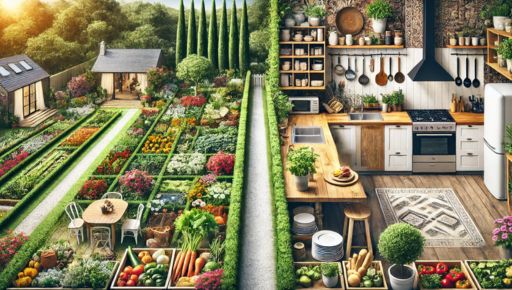
Having a big garden offers a unique opportunity to create a personal outdoor paradise. Whether you’ve just moved into a new home with a large plot of land or you’re looking to transform your existing space into a lush, expansive garden, there are several things to consider. From choosing the right plants to designing areas for relaxation and entertainment, a big garden can become an amazing place for family activities, social gatherings, and personal enjoyment.

In this guide, we’ll explore the best practices for planning, planting, and maintaining a big garden that thrives all year long.

Why a Big Garden is a Great Investment

A big garden is more than just a space for plants and flowers. It’s an investment in your lifestyle, offering numerous benefits such as:

  1. Increased property value: A well-designed garden can significantly boost the value of your property.
  2. Space for relaxation and outdoor living: You’ll have room for outdoor furniture, a pool, or even an outdoor kitchen, creating the perfect space for socializing or unwinding.
  3. Fresh air and health benefits: A big garden provides an ideal environment for growing fresh fruits and vegetables, improving air quality, and offering opportunities for outdoor exercise.
  4. Privacy and tranquility: A large garden can offer you peace and solitude, creating a sanctuary away from the hustle and bustle of daily life.

Planning Your Big Garden: Key Considerations

Before you start planting, it’s essential to plan the layout of your big garden. This will ensure that your garden is not only visually appealing but also functional and easy to maintain. Here are some important factors to keep in mind:

1. Assess the Space and Layout

The first step in designing your big garden is to assess the space available. Consider the size, shape, and topography of your land. Is your garden flat, or does it have slopes? Are there areas with more sunlight or shade? Taking stock of the terrain will help you make decisions about plant placement and garden features.

Create a simple sketch of your garden area, noting existing structures, paths, trees, and fences. This sketch will serve as a foundation for your design. You can then start dividing the space into distinct zones, such as a flower garden, vegetable patch, seating area, or entertainment zone.

2. Choose Your Plants Wisely

In a big garden, plant selection is key to creating a balanced and harmonious space. Choose plants that complement the overall aesthetic you want to achieve, whether it’s a formal garden, a naturalistic space, or a mixture of both.

  • Trees and Shrubs: Consider adding a mix of deciduous and evergreen trees. Large trees like oaks or maples provide shade, while smaller shrubs like lavender or boxwood can add structure and color.
  • Flower Gardens: In a big garden, you have plenty of space for a variety of flowers. Think about incorporating perennial flowers for lasting beauty or creating seasonal flower beds for year-round interest.
  • Vegetable and Herb Gardens: A big garden offers the perfect opportunity for a vegetable patch. You can grow everything from tomatoes and carrots to herbs like basil and rosemary, adding a practical element to your outdoor space.

3. Consider Garden Zones

Dividing your big garden into different zones will help organize the space and make it easier to manage. Here are some common zones you might want to include:

  • Entertainment Area: A large garden provides ample room for an outdoor living area, complete with a seating area, barbecue, and fire pit. This area is perfect for hosting gatherings or relaxing with family and friends.
  • Vegetable and Herb Garden: Dedicate a section of your big garden to growing fresh produce. Raised beds or rows of crops are easy to manage and maintain.
  • Flower Gardens and Borders: Planting a variety of flowers in borders or dedicated flower beds will add color and texture to your space. Consider seasonal plants to keep the garden in bloom throughout the year.
  • Relaxation Space: Create a peaceful retreat with benches, a hammock, or even a small water feature like a pond or fountain. This area can serve as a place for meditation or quiet contemplation.

Designing Your Big Garden: Tips for Success

Designing your big garden can be both exciting and challenging. To ensure that your outdoor space is functional, beautiful, and sustainable, keep these design tips in mind:

1. Use Focal Points

In a big garden, focal points help create interest and guide the viewer’s eye across the space. These focal points could be a beautiful sculpture, a fountain, or even a striking tree. Adding several focal points throughout the garden can break up the space and make it feel more cohesive.

2. Create Pathways

Adding pathways not only improves the functionality of your big garden but also adds aesthetic appeal. Whether you choose gravel, stone, or wooden planks, pathways can guide visitors through different areas of the garden and create a sense of flow.

3. Incorporate Vertical Elements

In a large garden, vertical gardening is an excellent way to maximize space. Use trellises, fences, or archways to grow climbing plants like roses, ivy, or grapevines. Vertical gardens are especially useful for creating privacy or adding dimension to the space.

4. Sustainable Practices

Sustainability is important in any garden, especially a big garden where resources can be spread thin. Consider using eco-friendly materials for landscaping, such as reclaimed wood or natural stone. Collect rainwater with a rain barrel to irrigate your garden, and choose native plants that require less water and maintenance.

Maintaining Your Big Garden: Tips for Longevity

A big garden requires regular upkeep to keep it thriving. While the larger size offers more flexibility, it also means more work. Here are some key tips for maintaining a big garden:

1. Regular Watering and Irrigation

One of the most important tasks in maintaining a big garden is ensuring that all plants get enough water. Consider installing an irrigation system to help with consistent watering, especially during the warmer months when rainfall is scarce.

2. Pruning and Deadheading

Pruning trees and shrubs regularly is vital to the health and appearance of your garden. Remove dead branches and trim plants to keep them looking tidy and encourage healthy growth. Deadheading flowers will also help them bloom longer.

3. Weeding and Mulching

Weeds can quickly take over a big garden, so it’s important to regularly remove them. Mulching around plants helps suppress weed growth while retaining moisture in the soil.

4. Pest and Disease Control

Keep an eye on your plants for any signs of pests or diseases. Use natural remedies or organic pesticides to keep your garden healthy without harming the environment.

Conclusion: Enjoying Your Big Garden Year-Round

Creating and maintaining a big garden is an ongoing process, but the rewards are well worth the effort. With proper planning, thoughtful design, and regular maintenance, you can enjoy a beautiful and functional outdoor space that brings joy to your family and friends. Whether you use your big garden for relaxation, entertainment, or growing fresh produce, the possibilities are endless.

The Sanicubic Range: High-Performance Solutions for Every Wastewater Challenge

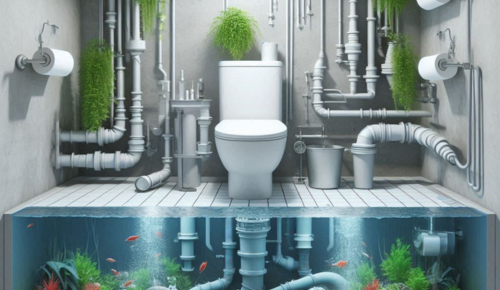
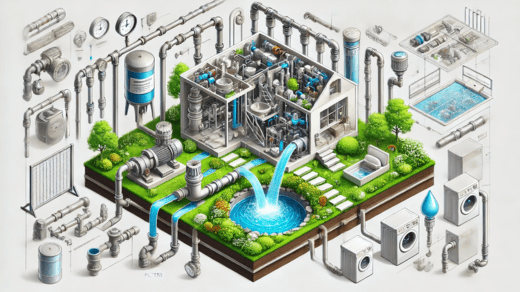
The Sanicubic range by SFA offers powerful, high-performance wastewater solutions designed to tackle a variety of drainage challenges. Whether for residential or commercial applications, Sanicubic pumps are engineered to efficiently handle waste from multiple fixtures, providing a reliable solution for managing wastewater in challenging or remote locations. This blog explores the different models in the Sanicubic range, their unique applications, and how they cater to both commercial and residential needs.


1. Overview of the Sanicubic Range

Sanicubic systems are a series of heavy-duty lifting stations designed for locations where gravity drainage is not feasible or where high volumes of waste need to be handled quickly and efficiently. The range offers multiple models, each tailored for specific requirements:

  • Sanicubic 1 WP: Ideal for smaller commercial spaces and residential settings, this unit has a single motor, making it compact yet powerful.
  • Sanicubic 2 Classic: Equipped with dual motors, this model is designed for larger residential and medium-sized commercial spaces. The dual motors provide added reliability by offering backup capacity.
  • Sanicubic 2 Pro: This model is perfect for high-demand commercial settings. It offers features such as a dual motor, external control box, and alarm system for enhanced performance and monitoring.
  • Sanicubic 2 VX: The most powerful in the range, designed to handle even the most challenging environments. Its Vortex technology ensures that it can manage high solids content, making it suitable for heavy-duty applications.

Each model in the Sanicubic range is built to provide an effective solution for different levels of demand, making the range versatile enough for diverse needs.


2. Key Applications of Sanicubic Models

The versatility of the Sanicubic range allows it to cater to various applications, from handling waste in small households to managing large volumes in bustling commercial locations. Let’s take a closer look at how different Sanicubic models serve unique applications:

Residential Use

Sanicubic pumps are often installed in residential settings where traditional gravity drainage is challenging. For instance, if homeowners want to add a bathroom in a basement or an attic far from the main plumbing, a Sanicubic unit can ensure efficient drainage and prevent costly plumbing modifications.

  • Sanicubic 1 WP is perfect for single-family homes needing additional drainage support, especially in locations like basements, where wastewater needs to be pumped upwards to the main sewer line.
  • Sanicubic 2 Classic provides extra peace of mind with its dual motors, handling multiple fixtures like toilets, showers, and sinks from an entire floor or section of the home.

Commercial Use

For commercial settings, managing high volumes of wastewater efficiently is crucial. Sanicubic pumps are especially beneficial in buildings such as restaurants, hotels, schools, healthcare facilities, and retail spaces where downtime due to drainage issues is not an option.

  • Sanicubic 2 Pro is highly effective for mid-sized commercial spaces. Its high pumping power and dual motors make it reliable for locations with multiple restrooms and high foot traffic.
  • Sanicubic 2 VX is the go-to choice for industrial applications, like factories or warehouses. Its Vortex impeller can handle challenging wastewater with high solid content, ensuring the unit remains clog-free even under demanding conditions.

3. Unique Features and Benefits of the Sanicubic Range

The Sanicubic range is designed with user convenience and high performance in mind, making it one of the top choices for challenging wastewater management. Here are some of its standout features:

  • Dual-Motor Systems: Many models, such as the Sanicubic 2 Pro and Sanicubic 2 Classic, come with dual motors that activate alternately, extending the lifespan of each motor and ensuring uninterrupted operation if one motor requires maintenance.
  • Vortex Technology: The Sanicubic 2 VX uses Vortex technology, allowing it to handle larger solids and fibrous materials that may enter the system. This makes it ideal for commercial and industrial applications with high waste demands.
  • Alarm and Control Systems: Sanicubic models like the 2 Pro are equipped with external control boxes and alarm systems, ensuring that users are alerted to any issues before they become serious. This is especially beneficial in commercial settings where quick intervention is essential.
  • Flexible Installation Options: Sanicubic pumps can be installed in remote areas away from main sewer lines, such as basements, outdoor buildings, or temporary structures, providing flexibility for challenging setups.

4. Choosing the Right Sanicubic Model for Your Needs

Selecting the right Sanicubic model depends on specific requirements, including the volume of wastewater, location, and intended use. Here’s a quick guide to help:

  • For homes with added bathrooms in basements or lofts: Choose Sanicubic 1 WP or Sanicubic 2 Classic.
  • For commercial spaces like restaurants, retail, or schools: Opt for Sanicubic 2 Pro for its reliability and monitoring capabilities.
  • For heavy-duty industrial sites: Sanicubic 2 VX is ideal due to its ability to manage high solids content and heavy use demands.

5. Why Choose Sanicubic for Your Wastewater Solutions?

The Sanicubic range offers a unique combination of power, reliability, and versatility. Whether in homes, commercial establishments, or industrial sites, Sanicubic pumps provide peace of mind with their efficient design and dependable performance. Their ability to handle complex drainage challenges in varied environments makes them a top choice for users needing robust wastewater management solutions.

Also Read: Advantages of Above-Ground and Below-Ground Lifting Stations for Commercial Spaces


Conclusion

Sanicubic’s high-performance range is engineered to tackle every wastewater challenge, no matter the scale. With models tailored to both residential and commercial settings, users can find a reliable solution that meets their specific drainage needs. From the compact yet efficient Sanicubic 1 WP to the heavy-duty Sanicubic 2 VX, each model brings a unique set of features designed to keep wastewater flowing smoothly, even in the most challenging conditions.

Balancing Functionality and Aesthetics in Home Design

0

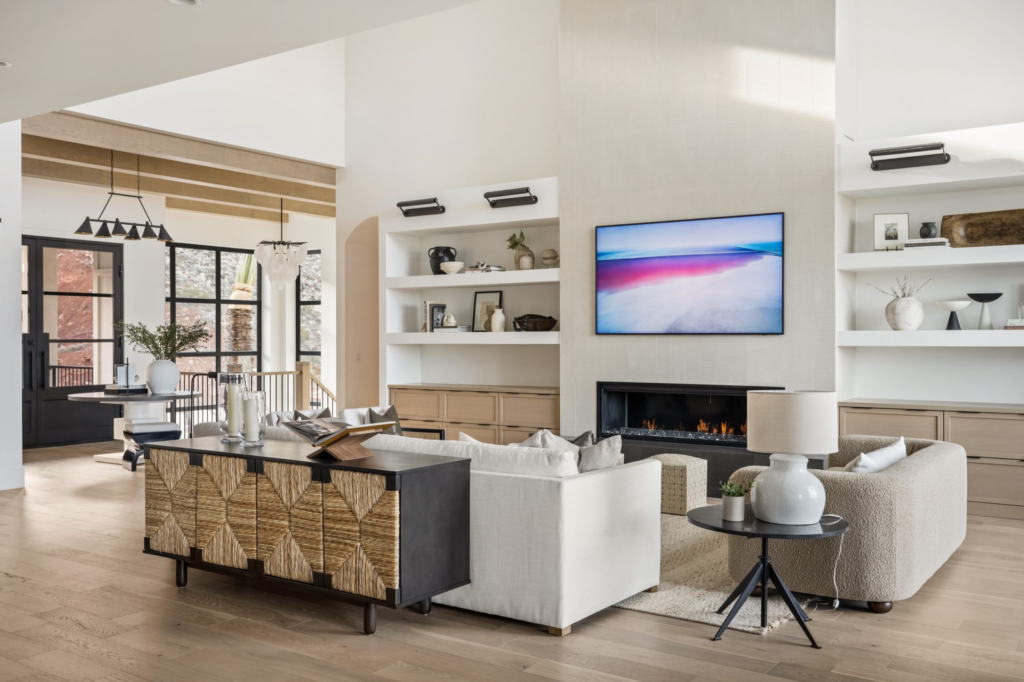
Home design is a multifaceted discipline that marries beauty with utility. Striking the right balance between functionality and aesthetics is essential to creating a space that is not only visually appealing but also practical and comfortable for daily living. This article explores how to achieve that balance in home design, offering tips and insights into creating a harmonious environment where both form and function coexist seamlessly.

Understanding the Basics: Functionality vs. Aesthetics

Functionality in home design refers to how well a space serves the practical needs of its inhabitants. It encompasses the arrangement of furniture, the flow of traffic through rooms, and the usability of each space. For instance, a well-designed kitchen must accommodate cooking tasks efficiently, while a living room should provide comfortable seating and facilitate social interactions.

Aesthetics, on the other hand, pertains to the visual appeal of a space. This includes elements such as color schemes, textures, and decorative details. Aesthetics contribute to the ambiance and emotional impact of a home, influencing how it feels and how it resonates with the homeowner’s personal style.

Balancing these two aspects involves creating spaces that are both visually pleasing and practical for everyday use. Here’s how to achieve that balance:

1. Prioritize Functionality in High-Traffic Areas

High-traffic areas such as the kitchen, living room, and bathrooms should be designed with functionality at the forefront. For example:

  • Kitchen Design: Invest in quality appliances and smart storage solutions to maximize efficiency. Features like pull-out pantry shelves, lazy Susans, and under-cabinet lighting can enhance both functionality and visual appeal. Choose durable, easy-to-clean materials that will stand up to daily use.
  • Living Room Layout: Arrange furniture to facilitate easy conversation and movement. Opt for pieces that offer practical benefits, such as storage ottomans or multi-functional coffee tables. Ensure that the layout allows for comfortable seating and clear pathways.
  • Bathroom Essentials: Include ample storage solutions such as built-in cabinets and shelves. Ensure that fixtures and fittings are both stylish and practical, with features like easy-to-clean surfaces and efficient lighting.

2. Incorporate Aesthetic Elements Thoughtfully

While functionality is crucial, aesthetics play a significant role in creating a welcoming and stylish home. Incorporate aesthetic elements that complement the functionality of each space:

  • Color Schemes: Choose colors that enhance the mood of the room. Light colors can make small spaces feel larger and more open, while darker hues add coziness and sophistication. Use color to define different areas and create a cohesive look throughout your home.
  • Textures and Patterns: Add visual interest through textures and patterns. For instance, a plush rug can add warmth and comfort to a living room, while patterned curtains or cushions can bring color and character. Mix and match textures to create depth and dimension.
  • Decorative Details: Personalize your space with artwork, decorative objects, and plants. These elements can enhance the aesthetic appeal without compromising functionality. Be mindful of clutter, and choose items that serve a dual purpose, such as stylish storage solutions.

3. Embrace Multi-Functional Furniture

Multi-functional furniture is an excellent way to balance functionality and aesthetics. These pieces serve practical purposes while also contributing to the overall design of a space:

  • Sofa Beds: Ideal for small apartments or guest rooms, sofa beds provide seating during the day and a comfortable sleeping area at night.
  • Storage Ottomans: These versatile pieces offer additional storage space while also serving as extra seating or a coffee table.
  • Expandable Dining Tables: Perfect for entertaining, expandable tables can be adjusted to accommodate more guests when needed.

Incorporating multi-functional furniture allows you to make the most of your space without sacrificing style.

4. Design with Flow and Harmony in Mind

Creating a harmonious design involves ensuring that each room flows seamlessly into the next. This can be achieved through:

  • Consistent Design Elements: Use consistent colors, patterns, and materials throughout your home to create a cohesive look. This helps to unify different spaces and establish a sense of continuity.
  • Functional Layouts: Ensure that the layout of each room supports its intended use. For example, in an open-plan space, consider how different areas interact and flow into one another. Create clear zones for different activities, such as cooking, dining, and lounging.
  • Natural Light: Maximize natural light to enhance both functionality and aesthetics. Use window treatments that allow you to control light levels while adding a decorative touch.

5. Customize to Fit Your Lifestyle

Every homeowner has unique needs and preferences. Customizing your design to fit your lifestyle ensures that both functionality and aesthetics are tailored to your personal requirements:

  • Family Needs: If you have children or pets, choose durable and easy-to-clean materials. Consider furniture with rounded edges and safe, non-toxic finishes.
  • Entertainment: For those who love to entertain, design spaces that facilitate socializing. Include features like a spacious dining area, a well-equipped bar, or a comfortable outdoor seating area.
  • Work-from-Home: If you work from home, create a dedicated workspace that is both functional and aesthetically pleasing. Invest in ergonomic furniture and incorporate design elements that inspire productivity and creativity.

6. Seek Professional Advice

Balancing functionality and aesthetics can be challenging, especially in complex or large-scale projects. Consulting with a professional interior designer can provide valuable insights and expertise:

  • Design Expertise: A professional can help you navigate design choices, ensuring that both functionality and aesthetics are addressed in a cohesive manner.
  • Space Planning: Designers can assist with space planning, helping you make the most of your layout and ensuring that every area serves its intended purpose.
  • Customization: Professionals can offer custom solutions and recommendations that align with your specific needs and style preferences.

Conclusion

Balancing functionality and aesthetics in home design requires thoughtful consideration and planning. By prioritizing functionality in high-traffic areas, incorporating aesthetic elements thoughtfully, embracing multi-functional furniture, designing with flow and harmony in mind, customizing to fit your lifestyle, and seeking professional advice when needed, you can create a home that is both beautiful and practical.

A well-designed home not only reflects your personal style but also enhances your quality of life. By achieving the right balance between functionality and aesthetics, you can create a space that is both inviting and efficient, offering comfort and enjoyment for years to come.

Transform Your Space: Creative Home Decorating Ideas to Refresh Every Room

0

Transforming your home can feel like a daunting task, but with the right approach, it can be an exciting and rewarding experience. Whether you’re looking to refresh a single room or revamp your entire home, creative decorating ideas can make a significant impact. In this article, we’ll explore innovative ways to update every room in your home, making it a more enjoyable and stylish place to live.

1. Living Room: Embrace a Modern Makeover

The living room is often the heart of the home, where family and friends gather. To give it a modern makeover, consider these ideas:

  • Add a Statement Piece: Choose a bold piece of furniture or art that serves as the focal point of the room. A striking sofa, an oversized piece of artwork, or a unique coffee table can instantly elevate the space.
  • Incorporate Texture: Layer different textures to add depth and interest. Mix materials like velvet, leather, and woven fabrics through throw pillows, rugs, and curtains.
  • Update Lighting: Swap out old light fixtures for modern designs. Pendant lights, chandeliers, or floor lamps with sleek lines can enhance the room’s ambiance.
  • Refresh with Color: Paint the walls in a fresh, contemporary color or add an accent wall. Neutral tones with pops of vibrant colors can make the space feel updated and lively.

2. Kitchen: Infuse Freshness with Functional Design

The kitchen is not just a place for cooking but also a space for gathering and entertaining. To refresh it, consider these ideas:

  • Upgrade Cabinet Hardware: New handles and knobs can make old cabinets look brand new. Opt for modern metals like brushed nickel or matte black for a contemporary feel.
  • Add a Backsplash: A stylish backsplash can instantly transform the kitchen. Choose from subway tiles, mosaic patterns, or even peel-and-stick options for a budget-friendly update.
  • Incorporate Open Shelving: Open shelves can showcase beautiful dishware and add a casual, inviting feel. Arrange items by color or style for a cohesive look.
  • Use Statement Lighting: Pendant lights or a chandelier above the kitchen island can add both style and functionality.

3. Bedroom: Create a Serene Sanctuary

Your bedroom should be a retreat from the hustle and bustle of everyday life. To make it more serene, consider these decorating ideas:

  • Invest in Quality Bedding: Luxurious bedding can elevate the entire room. Choose high-thread-count sheets and a plush comforter or duvet.
  • Add a Headboard: A stylish headboard can make the bed the focal point of the room. Opt for upholstered, wooden, or metal designs to match your decor style.
  • Incorporate Soft Lighting: Use bedside lamps with dimmers or string lights to create a relaxing atmosphere. Soft lighting can help set the mood for restful sleep.
  • Include a Reading Nook: If space allows, create a cozy corner with a comfortable chair and a small side table. This adds both functionality and a personal touch to your bedroom.

4. Bathroom: Revitalize with Simple Updates

A bathroom update can greatly improve its functionality and aesthetics. Consider these refreshing ideas:

  • Upgrade Fixtures: Replacing outdated faucets, showerheads, and towel bars can give your bathroom a modern look. Choose fixtures in finishes like chrome, oil-rubbed bronze, or matte black.
  • Add a Pop of Color: Introduce color through accessories like bath mats, towels, or a shower curtain. Bold patterns or calming shades can make a big difference.
  • Install Floating Shelves: Floating shelves provide additional storage without taking up too much space. Use them to display decorative items or store toiletries.
  • Update Mirrors: A new mirror with an interesting frame can serve as a focal point and enhance the room’s overall design.

5. Dining Room: Enhance Elegance and Function

The dining room is where meals and special gatherings happen. To refresh it, try these ideas:

  • Update the Dining Table: A new dining table or tablecloth can give the room a fresh look. Consider materials like reclaimed wood or glass for a modern touch.
  • Incorporate a Rug: A stylish rug can define the dining area and add warmth. Choose a rug that complements your table and chairs.
  • Add a Statement Chandelier: A dramatic chandelier or pendant light above the dining table can create an elegant ambiance and serve as a conversation piece.
  • Mix and Match Chairs: Combining different chair styles can add visual interest and personality to the dining room. Ensure the colors and materials complement each other.

6. Home Office: Boost Productivity with Stylish Design

Your home office should inspire productivity and creativity. To enhance it, consider these ideas:

  • Invest in a Comfortable Chair: A high-quality, ergonomic chair can improve comfort and productivity. Choose one that supports good posture and complements your desk.
  • Create an Organized Workspace: Use shelving, drawer organizers, and desk accessories to keep your workspace clutter-free. A tidy desk can help you stay focused.
  • Add Personal Touches: Decorate with items that inspire you, such as artwork, plants, or motivational quotes. Personalizing your space can make it more enjoyable to work in.
  • Incorporate Task Lighting: Adequate lighting is crucial for productivity. A desk lamp with adjustable brightness can help reduce eye strain.

7. Entryway: Make a Lasting First Impression

The entryway sets the tone for the rest of your home. To make a great first impression, consider these ideas:

  • Add a Stylish Console Table: A console table can provide a place for keys, mail, and decorative items. Choose one that fits the scale of your entryway.
  • Include a Mirror: A mirror can make the space feel larger and brighter. It also provides a practical spot for last-minute checks before heading out.
  • Use a Bold Rug: A colorful or patterned rug can add character and define the entryway area. Choose one that’s easy to clean and durable.
  • Incorporate Hooks and Baskets: Hooks and baskets can help keep the entryway organized and tidy. Use them to store hats, scarves, and shoes.

8. Outdoor Spaces: Extend Your Living Area

Transforming your outdoor space can enhance your home’s overall appeal. Consider these ideas:

  • Create a Cozy Seating Area: Add outdoor furniture like a sectional sofa or lounge chairs to create a comfortable space for relaxation and entertaining.
  • Incorporate Plants and Greenery: Plants and flowers can add color and life to your outdoor area. Choose low-maintenance varieties if you prefer a hassle-free garden.
  • Add Lighting: String lights, lanterns, or LED spotlights can create a warm and inviting atmosphere for evening gatherings.
  • Design an Outdoor Dining Area: An outdoor dining table and chairs can make alfresco dining enjoyable. Add a shade structure or umbrella to provide comfort on sunny days.

Conclusion

Refreshing every room in your home with creative decorating ideas can be a fun and fulfilling process. By incorporating these suggestions, you can transform your living space into a more stylish, functional, and enjoyable environment. Whether you’re updating a single room or revamping your entire home, these tips will help you achieve a fresh look that reflects your personal style. So, roll up your sleeves, get creative, and enjoy the transformation of your space!

Transform Your Space: The Art and Benefits of Home Painting

0

Home painting is more than just a way to refresh the look of your home; it’s a transformative process that can breathe new life into your space. Whether you’re looking to revamp a single room or give your entire house a facelift, painting is a cost-effective method to achieve a dramatic change. In this article, we’ll explore the art and benefits of home painting, providing you with valuable insights to help you make the most of this impactful home improvement project.

The Art of Home Painting

Home painting is both an art and a science. It involves a blend of creativity and technical skills, and when done correctly, it can elevate the aesthetic appeal of your home. Here’s how to master the art of home painting:

1. Choosing the Right Color

Color is the most obvious and impactful element of home painting. It sets the mood, creates ambiance, and can even affect the perception of space. Here are some tips for choosing the right color:

  • Understand Color Psychology: Colors can influence emotions and moods. For example, soft blues and greens create a calming effect, ideal for bedrooms, while vibrant reds and oranges can energize a living space or dining area.
  • Consider Natural Light: The amount of natural light a room receives can affect how colors appear. Test paint samples in different lighting conditions to see how they change throughout the day.
  • Coordinate with Existing Decor: Ensure that your new paint colors complement your existing furnishings and decor. You can use color swatches and samples to see how different shades work with your furniture and accessories.

2. Selecting the Right Finish

Paint finishes affect both the appearance and durability of your walls. Here are the most common types:

  • Matte Finish: This non-reflective finish is perfect for hiding imperfections and creating a smooth, elegant look. It’s ideal for low-traffic areas like bedrooms.
  • Eggshell Finish: Slightly more reflective than matte, eggshell finishes are durable and easy to clean. They work well in living rooms and hallways.
  • Satin Finish: This finish has a subtle sheen and is great for high-traffic areas and rooms prone to moisture, such as kitchens and bathrooms.
  • Gloss Finish: Glossy finishes are highly reflective and durable, making them ideal for trim, moldings, and high-touch surfaces.

3. Preparing the Surface

Preparation is crucial for achieving a professional-looking paint job. Follow these steps:

  • Clean the Walls: Remove dust, dirt, and grease from the walls to ensure proper paint adhesion.
  • Repair Imperfections: Fill in holes, cracks, and dents with spackle or joint compound, and sand the surfaces smooth.
  • Prime the Walls: Applying a primer can improve paint coverage and adhesion, especially if you’re making a significant color change or painting over a textured surface.

4. Choosing Quality Paint and Tools

Investing in high-quality paint and tools will make a significant difference in the outcome of your project:

  • Quality Paint: Premium paints offer better coverage, durability, and color retention. Look for paints with low or no VOCs (volatile organic compounds) for a healthier indoor environment.
  • Quality Tools: Use high-quality brushes, rollers, and painter’s tape to ensure a smooth application and clean lines. Invest in tools that are appropriate for the type of paint and surface you’re working with.

The Benefits of Home Painting

Beyond the aesthetic improvements, home painting offers several practical benefits:

1. Enhances Curb Appeal

A fresh coat of paint can dramatically improve your home’s exterior appearance. Whether you’re preparing to sell or simply want to enhance your home’s curb appeal, painting the exterior can make a significant impact. Choose colors that complement your architectural style and blend well with the surrounding landscape.

2. Protects and Preserves

Painting your home’s exterior helps protect it from the elements. High-quality exterior paint acts as a barrier against moisture, UV rays, and temperature fluctuations, which can prevent damage to your siding and trim. This protective layer can extend the lifespan of your home’s exterior materials and reduce maintenance costs over time.

3. Increases Property Value

A well-maintained and aesthetically pleasing home can increase its market value. Prospective buyers often view freshly painted homes as more desirable and move-in ready. In addition, painting the interior of your home can create a more inviting atmosphere, making it easier to sell.

4. Improves Indoor Air Quality

Modern paints with low or no VOCs can improve indoor air quality by reducing the amount of harmful chemicals released into the air. This is especially important for families with young children, pets, or individuals with allergies or respiratory issues.

5. Creates a Personalized Space

Home painting allows you to express your personality and style. Whether you prefer bold, vibrant colors or soothing, neutral tones, painting enables you to create a space that reflects your tastes and preferences. Personalizing your home can enhance your overall satisfaction and enjoyment of your living environment.

Tips for a Successful Home Painting Project

To ensure your home painting project goes smoothly, consider the following tips:

  • Plan Ahead: Take the time to plan your project thoroughly, including selecting colors, finishes, and painting techniques. Create a detailed timeline and budget to keep the project on track.
  • Test Paint Samples: Before committing to a color, test samples on your walls to see how they look in different lighting conditions and with your existing decor.
  • Protect Your Belongings: Cover furniture, floors, and fixtures with drop cloths or plastic sheeting to protect them from paint splatters and spills.
  • Follow Safety Guidelines: Ensure proper ventilation by opening windows and using fans. Wear protective gear, such as masks and goggles, to safeguard against paint fumes and splashes.
  • Hire a Professional: If you’re unsure about your painting skills or prefer a flawless finish, consider hiring a professional painter. Experienced painters can provide expert advice, ensure high-quality results, and save you time and effort.

Conclusion

Home painting is a versatile and effective way to transform your space, enhance its beauty, and enjoy numerous practical benefits. From choosing the right colors and finishes to understanding the advantages of a fresh coat of paint, this home improvement project offers endless possibilities for revitalizing your home. Whether you choose to tackle the project yourself or enlist the help of a professional, painting can significantly impact the comfort, style, and value of your living environment. So, grab your brushes and rollers, and get ready to bring new life to your space through the art of home painting.

Choosing the Perfect Flooring: A Comprehensive Guide to Home Flooring Options

0

When it comes to choosing the right flooring for your home, the decision can be overwhelming due to the vast array of options available. From aesthetics to functionality and budget considerations, selecting the perfect flooring involves balancing numerous factors to ensure it meets your needs and complements your living space. This comprehensive guide will explore various flooring options, helping you make an informed choice that enhances the beauty and functionality of your home.

1. Hardwood Flooring

Hardwood flooring remains a popular choice due to its timeless appeal and durability. Available in a variety of species, such as oak, maple, and cherry, hardwood floors can add warmth and elegance to any room.

Advantages:

  • Durability: Properly maintained hardwood floors can last for decades.
  • Aesthetic Appeal: Natural wood grain and rich textures add a classic charm.
  • Increased Property Value: Hardwood floors can increase the resale value of your home.

Considerations:

  • Cost: Hardwood flooring can be expensive, both in terms of materials and installation.
  • Maintenance: Requires regular cleaning and occasional refinishing to maintain its appearance.

2. Laminate Flooring

Laminate flooring has gained popularity as a budget-friendly alternative to hardwood. It mimics the look of natural materials such as wood and stone but is more affordable and easier to maintain.

Advantages:

  • Cost-Effective: Less expensive than hardwood and stone flooring.
  • Durability: Resistant to scratches and stains, making it ideal for high-traffic areas.
  • Easy Installation: Often comes with a click-lock installation system that doesn’t require glue or nails.

Considerations:

  • Longevity: While durable, laminate floors may not last as long as solid wood.
  • Not Water-Resistant: Can be damaged by excessive moisture, so it’s not suitable for bathrooms or basements.

3. Vinyl Flooring

Vinyl flooring is known for its versatility and resilience. It’s available in sheets, tiles, or planks and can replicate the appearance of wood, stone, or tile.

Advantages:

  • Water-Resistant: Ideal for areas prone to moisture, such as kitchens and bathrooms.
  • Comfortable Underfoot: Softer and warmer compared to tile or stone flooring.
  • Easy to Clean: Requires minimal maintenance, usually just sweeping and mopping.

Considerations:

  • Lower Resale Value: May not add as much value to your home as hardwood or high-end materials.
  • Can Be Prone to Scratching: Though generally durable, vinyl can be scratched by sharp objects.

4. Tile Flooring

Tile flooring, available in ceramic, porcelain, and stone varieties, is a durable option that offers a wide range of styles and patterns.

Advantages:

  • Durability: Extremely long-lasting and resistant to moisture and stains.
  • Variety: Comes in numerous styles, colors, and textures to suit any decor.
  • Low Maintenance: Easy to clean and maintain, especially in high-traffic areas.

Considerations:

  • Cold and Hard: Can be uncomfortable to stand on for long periods and feels cold underfoot.
  • Installation Costs: Professional installation can be expensive, especially for high-end stone tiles.

5. Carpet Flooring

Carpet provides comfort and warmth, making it a popular choice for bedrooms and living rooms. Available in various fibers, colors, and patterns, carpet can enhance the coziness of a room.

Advantages:

  • Comfort: Soft and warm underfoot, ideal for cozy spaces.
  • Noise Reduction: Helps to dampen sound, making it a good choice for multi-story homes.
  • Variety: Available in numerous colors, textures, and patterns to match any decor.

Considerations:

  • Maintenance: Requires regular vacuuming and occasional deep cleaning to remove stains and allergens.
  • Durability: Can wear out more quickly than other flooring types, especially in high-traffic areas.

6. Bamboo Flooring

Bamboo is an eco-friendly alternative to traditional hardwood flooring. It is made from the bamboo plant, which is a rapidly renewable resource.

Advantages:

  • Sustainability: Bamboo is a renewable resource that grows quickly.
  • Durability: Can be as hard as traditional hardwood, making it suitable for high-traffic areas.
  • Unique Appearance: Offers a distinctive look with its natural grain patterns.

Considerations:

  • Moisture Sensitivity: Can be susceptible to warping and expansion with high moisture levels.
  • Variation in Quality: The durability and appearance can vary based on the manufacturer.

7. Cork Flooring

Cork flooring is an eco-friendly option made from the bark of cork oak trees. It is known for its unique texture and comfort underfoot.

Advantages:

  • Comfort: Provides a cushioned surface that is comfortable to stand on.
  • Insulation: Offers good thermal and acoustic insulation properties.
  • Eco-Friendly: Made from a renewable resource with minimal environmental impact.

Considerations:

  • Maintenance: Requires regular sealing to protect against moisture and wear.
  • Susceptibility to Damage: Can be easily dented or scratched by heavy furniture or pets.

8. Concrete Flooring

Concrete flooring has become a popular choice for modern homes due to its durability and customizable appearance. It can be stained, polished, or textured to achieve various looks.

Advantages:

  • Durability: Extremely tough and resistant to wear and tear.
  • Versatility: Can be customized with different colors, patterns, and finishes.
  • Low Maintenance: Easy to clean and maintain.

Considerations:

  • Cold and Hard: Can be uncomfortable underfoot and may require area rugs for added warmth and comfort.
  • Professional Installation Required: Installing and finishing concrete floors often requires a professional.

9. Rubber Flooring

Rubber flooring is a resilient option often used in commercial spaces but is gaining popularity in residential settings due to its durability and ease of maintenance.

Advantages:

  • Durability: Highly resistant to damage and ideal for high-traffic areas.
  • Comfort and Safety: Provides cushioning and slip resistance, making it suitable for home gyms or playrooms.
  • Low Maintenance: Easy to clean and maintain with regular sweeping and mopping.

Considerations:

  • Appearance: May not suit all interior styles, and some people find it less aesthetically appealing.
  • Odor: Can emit a rubber smell when first installed, though this typically dissipates over time.

10. Engineered Wood Flooring

Engineered wood flooring offers the look of hardwood with added stability and resistance to moisture. It consists of a hardwood veneer over a core of plywood or high-density fiberboard.

Advantages:

  • Stability: Less prone to expansion and contraction compared to solid hardwood.
  • Installation: Can be installed over a variety of subfloors, including concrete.
  • Appearance: Provides the same visual appeal as solid hardwood.

Considerations:

  • Cost: Generally more expensive than laminate or vinyl but less costly than solid hardwood.
  • Surface Wear: The veneer can wear down over time, especially in high-traffic areas.

Conclusion

Selecting the perfect flooring for your home involves considering factors such as your lifestyle, budget, and design preferences. Each flooring option comes with its own set of advantages and considerations, making it essential to evaluate how well a particular type meets your specific needs.

By understanding the characteristics of various flooring options, you can make an informed decision that enhances the functionality, comfort, and aesthetic appeal of your living spaces. Whether you opt for the classic elegance of hardwood, the durability of tile, or the eco-friendliness of bamboo, choosing the right flooring will contribute to creating a home that is both beautiful and functional.